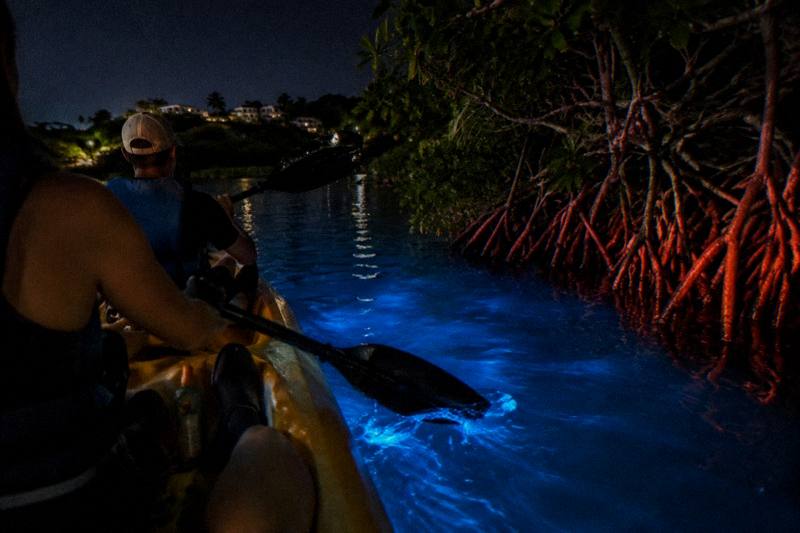
Best Time To See The Bioluminescent Bays In Puerto Rico
The glowing organisms live in Puerto Rico's three bioluminescent bays every single night of the year. What changes month to month is how visible they are, and the variables that matter most are moonlight, weather and which bay you choose.
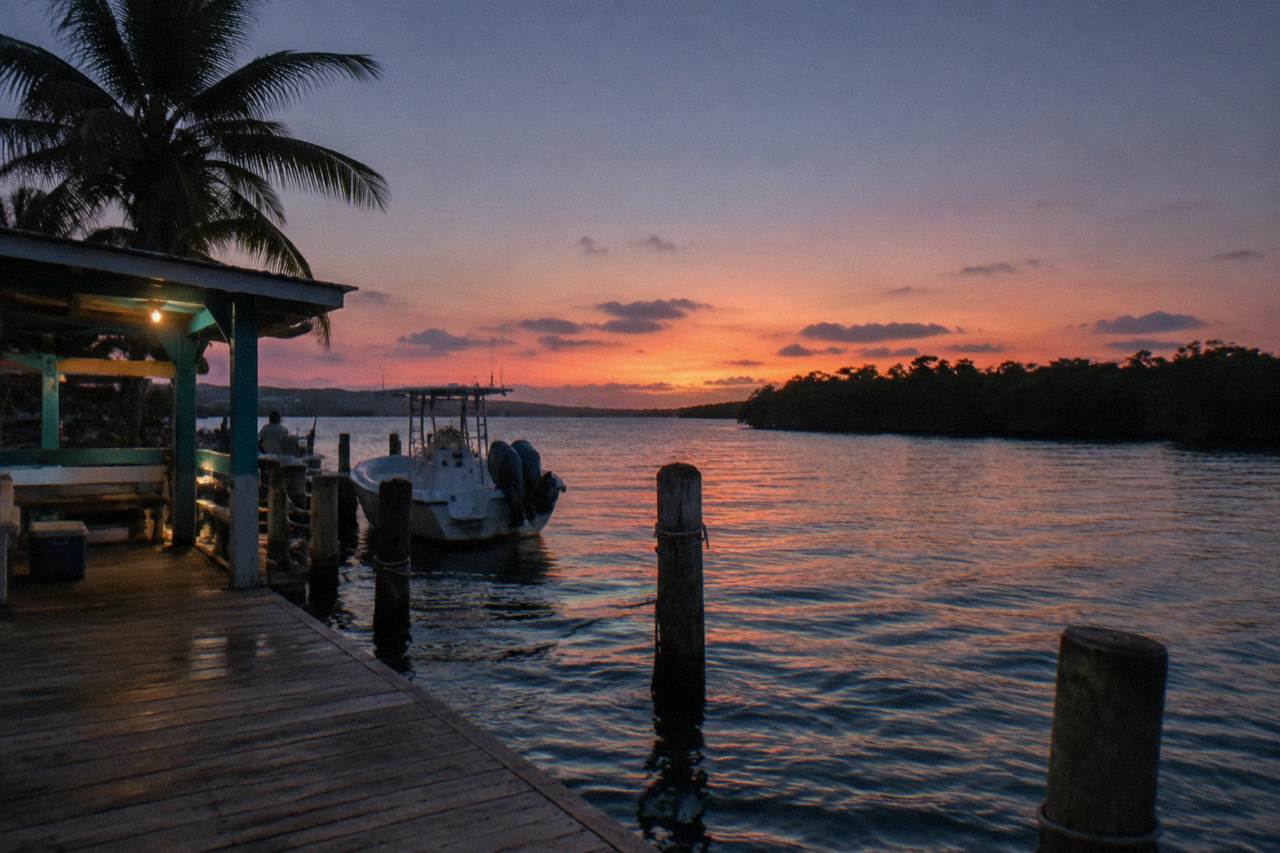
Short answer
The organisms glow year-round in all three bays, so there is no closed season. The best viewing comes on dark nights around a new moon, outside the three-night full-moon closure at Mosquito Bay, and in the calmer December to April stretch. Warmer months are reported slightly brighter at Laguna Grande, but never let anyone promise you glow.
The organisms live in Puerto Rico's three bioluminescent bays every night of the year, so the question is never whether the glow exists, only how well you can see it. The single biggest variable is moonlight, followed by weather and water conditions, and the third is simply which bay you stand on. This guide walks through the calendar mechanics, the hurricane season trade-offs, the moon rules that actually limit departures, and the practical matter of tour start times. The deep dive on lunar timing lives in the bioluminescent bay moon phase guide, and the month-by-month verdict is worked through in the best month for bioluminescence article; this page covers the planning layer between them.
One framing note before the calendar. There is no season when the bays "turn on" or "shut off." What the sources describe is a population of dinoflagellates, present year-round, whose visible intensity varies with moonlight, rain, season and water conditions. A dim night is possible in any month. Operators who sell tours in every month are not lying; they are selling a chance at a natural phenomenon, and the honest version of this page tells you which months and which nights stack the odds in your favor.
What Time Of Year Is Best For A Bioluminescent Bay Tour?
There is no closed season: the organisms are present year-round and visibility varies with moonlight, weather and water conditions. The steadiest weather window runs December to April, the drier months, while one 2026 planning guide reports Laguna Grande as slightly brighter in the warmer May to October stretch. Neither point is a glow guarantee; both are ways to weigh your dates.
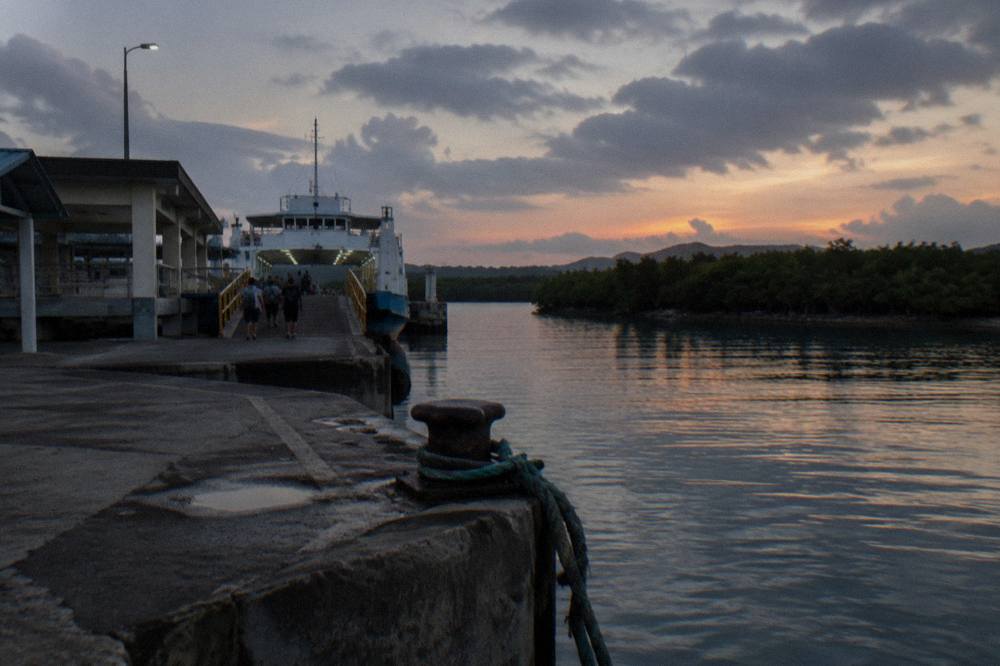
Start with the weather axis. The December to April stretch is the drier part of the Puerto Rican year, and drier matters for two reasons. First, heavy rainfall can temporarily reduce dinoflagellate concentrations and cloud the water, which lowers the visible glow. Second, tours cancel for weather, and a rained-out night is the only outcome worse than a dim one. The trade for that stability is crowds and higher flight and hotel prices in the peak winter weeks.
The warmer months flip that calculation. Warmer water temperatures support the peak dinoflagellate populations at Laguna Grande, per a September 2026 planning guide, and a 2024 study of the lagoon found densities generally low in late winter and higher in late summer, August to November. So the shoulder and late summer can pair fewer crowds with more organisms in the water, at the cost of a higher chance of rain and, in the deepest hurricane months, a small chance your whole booking moves.
A third axis people forget: which bay. The three bays behave differently, and the best bioluminescent bay comparison works through that in full. Mosquito Bay on Vieques holds the Guinness World Record for the brightest bioluminescent bay, recognised in 2006, with up to 700,000 dinoflagellates per gallon. Laguna Grande in Fajardo is the easiest to reach from San Juan, roughly a 1 to 1.25 hour drive. La Parguera in Lajas is the only one of the three where motorboats run at night and swimming is generally permitted on most nights. If your dates are fixed by a flight, pick the bay that fits the dates rather than the reverse.
| Season | Months | Weather character | Reported glow notes | Planning trade-off |
|---|---|---|---|---|
| Dry high season | December to April | Steadiest, drier, calmer seas | Densities generally lower in late winter at Laguna Grande | Best cancellation odds, most crowds, peak prices |
| Shoulder | May to July | Warming water, building rain chance | Warmer months reported slightly brighter at Laguna Grande | Good balance, rising storm risk |
| Late summer | August to November | Warmest water, peak hurricane activity | Study found higher Laguna Grande densities August to November | Fewest crowds, real weather risk |
Whatever the season, the entry point for most travelers is the featured Fajardo kayak outing, the Bio Bay Kayak Tour in Fajardo run by Kayaking Puerto Rico: about two hours, from $89 per person, a 4.7 rating from 2,176 reviews, and free cancellation up to 24 hours before. It runs from Las Croabas, and no pickup is offered, so it pairs well with a rental car and an evening in the Fajardo area. If your trip is anchored to Vieques or La Parguera instead, the selection below spans all three bays.
How Does The Moon Phase Change Your Chances?
Moonlight is the strongest single factor in visible glow: darker nights around a new moon give the best viewing, while nights near a full moon make the organisms harder to see. At Mosquito Bay the effect is written into law, with licensed operators barred from running tours the nights before, of and after a full moon. So your lunar week can matter more than your month.
The mechanics are simple. The dinoflagellates glow when the water is agitated, and that blue flash is dim light competing with whatever light is in the sky. On a moonless night the display has nothing to fight. Around a full moon, the same organisms, at the same concentration, produce a show your eye partially loses against the moonlight. The organisms are present either way; only the contrast changes. Tour operators and the official tourism guidance both point visitors toward moonless nights for exactly this reason.
The Mosquito Bay rule is the part most first-time visitors miss. The Department of Natural and Environmental Resources bars licensed operators from running Mosquito Bay tours on the night before, the night of and the night after each full moon, three nights per lunar cycle, because visibility is poor. That is a legal restriction on the operator, not a suggestion. If you are already on Vieques for a fixed set of dates and those dates straddle a full moon, your Mosquito Bay options simply do not exist for three nights, and the Vieques Kayaks Bio Bay trip, the Alikei clear kayak outing and the other Esperanza departures will show it in their calendars. Plan the full mosquito bay Vieques tour around the lunar calendar, not just the weekly one.
Fajardo and La Parguera have no such legal closure. Laguna Grande tours generally run on bright nights, and one Fajardo operator, Puerto Rico Bio Bay Tours LLC, even sells the phenomenon as a feature: its listing is offered as a full moon kayak tour as well as the standard outing, from $85 per person, about 3 hours, a 4.6 rating from 274 reviews, and it carries a "Likely to sell out" badge on the listing. Whether a full-moon mangrove paddle satisfies you is a personal call, but know what you are buying: a night paddle in a beautiful channel with a muted glow.
For most readers the practical takeaway is a booking tactic. Free cancellation up to 24 hours before applies to every listing on this site, so you can reserve the dark-sky night early, when inventory is open, and keep an eye on the forecast rather than gambling on walk-up space.
Does Hurricane Season Ruin Bioluminescent Bay Plans?
Hurricane season runs June to November, and no, it does not ruin plans by default: most nights in those months are fine and tours run as scheduled. What the season brings is a higher chance of a rainout, cloudy water after heavy rainfall, and, rarely, a storm that closes a bay temporarily. Book with the 24 hour free cancellation and stay flexible.
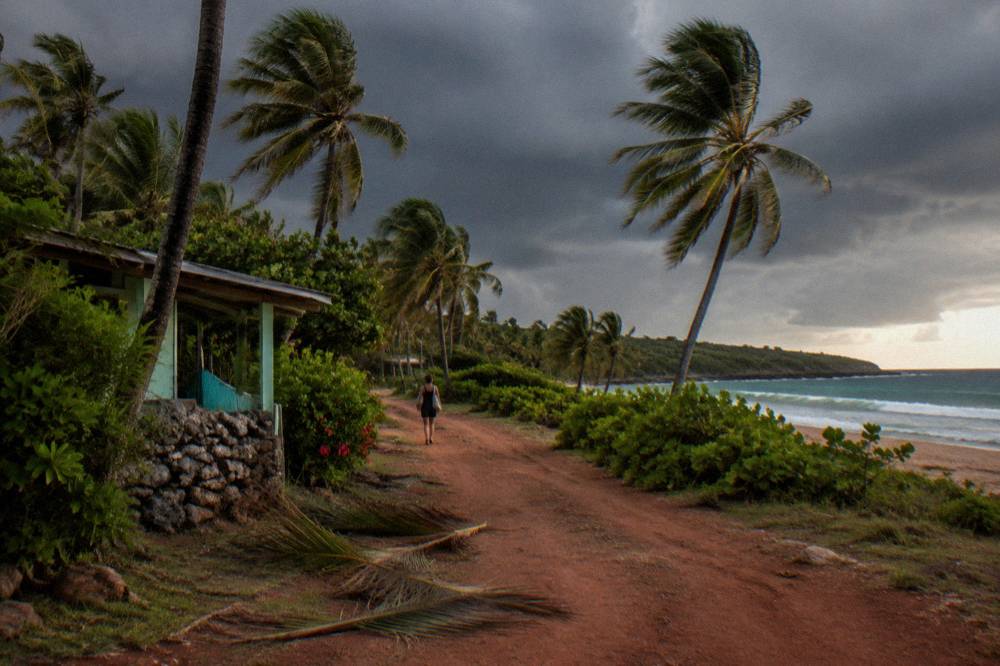
The seasonal framing needs honesty in both directions. Statistically, the deep tropics produce most activity from August into October, and a direct hurricane strike on any one bay in any one week is a low-probability event. The far more common hurricane-season problem is an ordinary tropical wave: an evening of heavy rain that cancels the departure, or a few days of runoff that clouds the lagoon. Rain dilutes and muddies the water, and reduced concentrations mean a weaker visible display even after the rain stops.
The record also shows the bays recover. Mosquito Bay has had two documented blackouts, one in 2014 and one after Hurricane Maria, when visible organisms were absent for about seven months. The bay came back, and in June 2026 a measured weekly count during a Primera Hora site visit was 304,000 organisms per gallon, well below the record 700,000 but a dense, healthy population. The point is not fear; the point is that the bay is a living system with a track record of resilience, monitored by the Vieques Conservation and Historical Trust, which co-manages the reserve with DRNA and runs ongoing plankton counts and water-quality work.
Your practical hurricane-season playbook has three moves. First, book any night you like, since every listing on this site allows free cancellation up to 24 hours before. Second, keep a backup night open later in your trip, so a rainout becomes a reschedule rather than a miss. Third, watch the forecast and the operator's messages rather than the calendar alone; the rain, weather and cancellations guide covers what triggers a cancellation and what your refund options are. If your dates fall in the December to April dry stretch, most of this section is academic, which is exactly why that stretch is the default recommendation for a once-only trip.
| Risk in season | How often it actually bites | What it does to your night | Practical counter |
|---|---|---|---|
| Evening rain shower | Fairly common June to November | Tour cancels, full refund under the 24 hour policy | Keep a backup night |
| Multi-day heavy rain | Occasional | Water clouds, glow harder to see even if tours run | Reschedule to later in the week |
| Sargassum influx | Localized, episodic | Mostly a La Parguera issue; DRNA ran a removal protocol in July 2026 after about 80 cuerdas were covered | Ask the operator about current conditions |
| Direct storm strike | Rare | Bay access pauses, bay recovers over months | Travel insurance and flexible flights |
What Time Do Tours Actually Start?
Most departures are timed to full darkness, which means evening start times that shift with the season: earlier in winter when darkness falls early, later in summer. Durations range widely, from a 40 minute boat float on Mosquito Bay to 12 hour combo days from San Juan, so the clock matters as much as the date when you plan.
The glow is only visible in the dark, so operators anchor their schedules to nightfall rather than to a fixed clock. That has a planning consequence people miss: a winter booking and a summer booking for the "same" tour start hours apart, and families with young children often find the winter start times easier. The details live in the how long is the bioluminescent bay tour breakdown, but the shape of the range is worth seeing side by side.
| Tour | Bay | Duration | Format | From price |
|---|---|---|---|---|
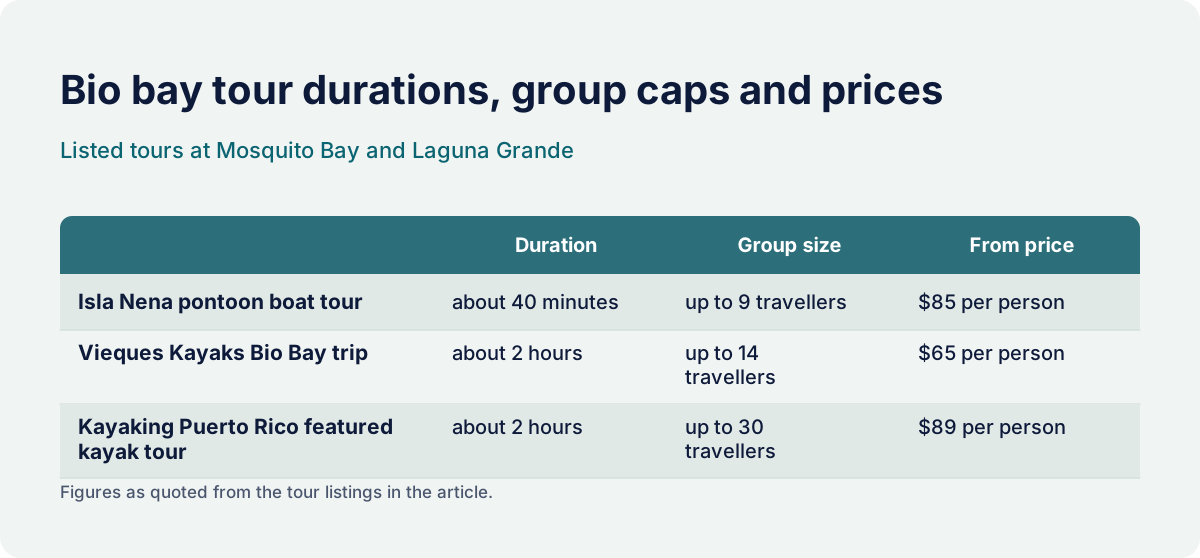
| Isla Nena pontoon boat tour | Mosquito Bay | about 40 minutes | 24 foot pontoon, up to 9 travellers | $85 per person |
| Vieques Kayaks Bio Bay trip | Mosquito Bay | about 2 hours | Guided kayak, up to 14 travellers | $65 per person |
| Kayaking Puerto Rico featured kayak tour | Laguna Grande | about 2 hours | Guided tandem kayak, up to 30 travellers | $89 per person |
| Mareaito sunset and biobay cruise | La Parguera | about 2 hours | Boat with sunset swim stop and swim floaties | $65 per person |
| Bio Bay Night Kayaking with transport | Laguna Grande | about 5 hours | Tandem kayak with San Juan hotel pickup | $125 per person |
| El Yunque and Bio Bay combo | Laguna Grande | about 12 hours | Rainforest hike plus night kayak, pickup included | $179.65 per person |
Two patterns in that table deserve a sentence each. The short Mosquito Bay boat options, the Isla Nena pontoon at about 40 minutes from $85 and the Borikua electric catamaran at about 40 minutes from $105, trade water time for comfort: no paddling, a small group of up to 9, and a stable platform. The long San Juan days invert that: pickup is included on all nine San Juan-area listings, but a 12 hour El Yunque combo from $179.65 or a 9 hour La Parguera trip from $199 turns a glow viewing into a full-day commitment.
On Vieques, one timing fact overrides everything else: because tours run at night, an overnight on the island is the standard recommendation. The official guidance says exactly that, and the Borikua listing states the last ferry from Vieques departs at 7:30 pm, before tour times, which forces at least one night's accommodation. Sailing times and fares should be checked on the official Puerto Rico Ferry itinerary rather than secondhand pages, and the Vieques ferry guide walks through the crossing in detail.
For travelers who would rather not move hotels at all, the San Juan transfer listings solve the timing problem in one stroke. The Bespoke Lifestyle kayak adventure picks up at selected San Juan hotels and runs about 5 hours door to door from $110 per person, and the Peniel Access Eco Tours version runs about 4 hours from $125 with round trip transport listed. You return late, sometimes very late, but you sleep in the same bed.
Which Bay Should You Match To Which Month?
Match the bay to your constraints rather than hunting a perfect month. Vieques suits a two night stay built around a dark lunar window, Fajardo suits a San Juan base with a rental car on almost any date, and La Parguera suits travelers who want a boat, a swim chance and the option of a guided day trip from San Juan.
The month-by-month glow verdict is the blog's job, but the bay-by-month logic belongs here because it is a planning decision, not a brightness prediction. If your trip is in the December to April window and you want minimum friction, Fajardo wins on logistics: about 1 to 1.25 hours from San Juan, six operator listings departing Las Croabas, no overnight required, and the featured Kayaking Puerto Rico tour as the most reviewed option on the site at 2,176 reviews. The Laguna Grande guide covers the lagoon itself.
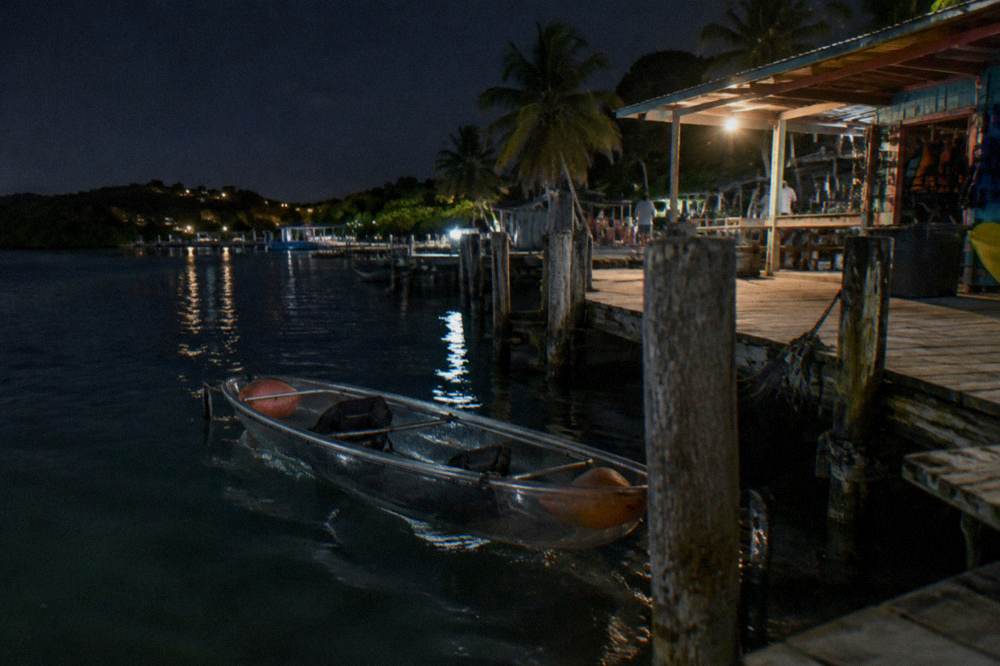
If your dates fall in the warmer months and you are building the trip around the glow, Vieques rewards the effort. The record-setting density comes from physics: water in Mosquito Bay stays in the bay about 13.5 to 14.5 days before flushing out, which lets the population build to concentrations faster-flushing bays cannot hold. The Vieques Kayaks trip from $65 per person, 4.5 from 1,242 reviews, includes round trip transport from the Esperanza meeting point to the bay entrance, and carries a "Likely to sell out" badge. The Alikei Adventures clear kayak option, 4.8 from 491 reviews from $60, puts you in a transparent boat with a group capped at 12. Just check the full-moon closure dates before you book the ferry.
La Parguera is the wild card. It is the only bay of the three where motorboats run at night and where swimming in the glowing water is generally permitted on most nights, subject to each operator's rules, and it is the one bay where sargassum made news in 2026: in July, DRNA activated a removal protocol after about 80 cuerdas of the bay were covered. The Mareaito Charters sunset and biobay cruise pairs a sunset swim stop at the Caracoles sandbar with the bay visit, from $65 per person, 4.8 from 573 reviews; bring your own snorkel gear. From San Juan, the Caribbean Breeze boat-and-swim day runs from $54.99 per person with pickup included, and the La Parguera guide covers the full picture.
What Is The Best Night Of The Month To Book?
Book the darkest night you can: the nights within roughly a week of a new moon give the best contrast, and the nights immediately around a full moon are the worst. At Mosquito Bay, the three full-moon nights are not merely bad, they are legally closed. For a single-trip traveler, the ideal booking is a new-moon-adjacent night with a backup night two or three days later.
Getting concrete about the lunar month helps, because "avoid the full moon" is vague advice when you are staring at a booking calendar. Each lunar month contains one new moon and one full moon, roughly two weeks apart, and the cycle repeats a little under a month at a time. The sweet spot is the band of nights from about five days before to five days after the new moon, when the moon is absent or a thin crescent that sets early. Avoid the equivalent band around the full moon, both because the glow competes with moonlight and because Mosquito Bay inventory is legally zero on three of those nights.
There is a second, subtler reason the darkest nights outperform: light discipline on the water. Operators discourage flashlights, phone screens and any unnecessary light because they destroy the night vision your eyes need, a rule the official tourism guidance spells out. A bright moon does the same thing to the whole lagoon at once, gently and continuously. The same logic is why guides on some Fajardo trips use a tarp to block moonlight on bright nights, a tactic one listing describes outright. You cannot block your way out of a full moon at scale, which is why the calendar remains the strongest lever you control.
A booking sequence that works for a once-only trip: pick your dates, find the new moon nearest them, book the featured Fajardo kayak tour for a night in the dark band, and leave one later night free as a weather backup. If you are on Vieques, confirm your nights do not fall in the three-night closure before you book the ferry or the hotel. That is the whole game, and it takes ten minutes with a lunar calendar.
Do Crowds, Prices Or Sargassum Change The Timing Math?
Yes, in three separate ways: winter brings peak crowds and peak hotel rates, the hurricane months bring the lowest, and sargassum is an episodic, mostly La Parguera factor that DRNA actively manages rather than a reason to skip a bay. None of these change the glow itself; they change the comfort and cost of the night you chase it.
Crowds first. The dry season that gives you the steadiest weather also gives you the most competition for kayak seats, and several listings on this site carry a genuine "Likely to sell out" badge, including the Mareaito sunset cruise, the Vieques Kayaks trip, the Alikei clear kayak outing, the Isla Nena pontoon and both big El Yunque combo days. Those badges reflect real inventory pressure, not marketing. In the December to April window, book the dark-sky nights early, because every other planner is looking at the same lunar calendar you are.
Sargassum second. The 2026 Atlantic influx was projected at a record of roughly 55 million tons, up from 40 million the prior year, and in July 2026 about 80 cuerdas of La Parguera bay were covered, prompting DRNA to mobilize a specialized removal vessel and a long-reach excavator from Fajardo. That is a La Parguera headline, not a Vieques or Fajardo one, and it is managed, not permanent: the removal protocol exists precisely so the bay keeps operating. If your dates are near La Parguera, a quick message to the operator about current conditions costs nothing.
Restoration, third, as the quiet good-news item that does not show up on a first page of search results. A NOAA-funded project of about $2.96 million, begun in December 2024 with the Vieques Conservation and Historical Trust and DRNA, is rebuilding mangroves, seagrass and coral in the Vieques reserve: a nursery of close to 4,000 plants, 4,000 biodegradable living shoreline bags, and an 84 percent mangrove planting success rate. The mangroves matter to your timing question directly, because Hurricane Maria caused near-total mangrove mortality at the bay's mouth, and those trees protect the meandering entrance that traps water for those 13.5 to 14.5 days and lets the bloom build. The record brightness you are chasing is partly a conservation story still in progress.
| Factor | Best case | Worst case | Which bay it hits hardest | Your counter-move |
|---|---|---|---|---|
| Moonlight | New moon band, about 10 dark nights | Full moon band, 3 nights legally closed at Mosquito Bay | All three | Book the dark band early |
| Rain and hurricanes | Dry December to April | June to November rainouts, rare storms | All three | Backup night plus 24 hour free cancellation |
| Crowds and prices | Shoulder months | Peak winter weeks | Fajardo and Vieques most | Book early, or travel May to July |
| Sargassum | Clear water | Episodic mats, DRNA removes them | La Parguera | Ask the operator before you go |
Planning Your Night, Step By Step
Pick your bay by your lodging, pick your night by the new moon, book a listing with free cancellation, and hold a backup night: that four-step sequence beats any single magic month. The featured Fajardo kayak tour, the Vieques kayak trips and the La Parguera boat cruises all run year-round, so the calendar is a filter you apply, not a gate that opens.
Run the sequence in order. Fix where you sleep first, because that decides your bay: a San Juan hotel without a car points you at a transfer listing or a La Parguera day trip, a Vieques stay opens the record-holding bay, and a Fajardo or Luquillo base puts Las Croabas minutes away. Then find the new moon nearest your dates and aim for the dark band around it, checking the three-night closure if Vieques is in play. Third, book a listing whose cancellation terms you know; every listing on this site carries free cancellation up to 24 hours before, and several carry real sell-out badges that argue for booking ahead rather than gambling. Fourth, leave one later night open.
For readers building a full itinerary, the bioluminescent bay and El Yunque day trip guide shows how to stack a rainforest morning with a glow night, and the homepage of Bioluminescent Bay Tours Puerto Rico carries the three-question trip picker that narrows all 24 listings to a short list in under a minute. The what to wear guide handles the packing side, including the eco-friendly repellent guidance the bays ask for.
The last word on honesty, because it is the one thing a calendar cannot do for you. No month, no moon phase and no bay guarantees a bright night; the organisms are present year-round and the visible intensity varies with moonlight, weather and water conditions. What a well-timed booking does is remove the avoidable handicaps, bright moonlight, storm runoff and sold-out seats, and leave you with the best realistic shot at the display. In a bay holding hundreds of thousands of organisms per gallon, that shot is very much worth taking.
Common Questions About The Best Time To Visit A Bio Bay
What Time Of Year Is Best For A Bioluminescent Bay Tour?
There is no closed season: the organisms are present year-round and visibility varies with moonlight, weather and water conditions. December to April gives the steadiest weather, while warmer months are reported slightly brighter at Laguna Grande. The moon phase matters more than the month.
Does Hurricane Season Ruin Bioluminescent Bay Plans?
No, but it raises the odds of a rainout. Hurricane season runs June to November, and heavy rain can cloud the water and lower visible glow. Every listing on this site offers free cancellation up to 24 hours before, and keeping a backup night turns most problems into a reschedule.
Which Nights Are Mosquito Bay Tours Closed?
DRNA-licensed operators may not run Mosquito Bay tours on the night before, the night of and the night after a full moon, three nights per lunar cycle. Laguna Grande and La Parguera have no equivalent legal closure, though moonlight still affects viewing at all three bays.
What Time Do Bioluminescent Bay Tours Start?
Start times follow darkness, so they shift with the season: earlier in winter, later in summer. Durations range from about 40 minutes on Mosquito Bay boat tours to 12 hours on El Yunque combo days from San Juan. Check the operator's listing for the exact departure time on your date.
Is The Glow Guaranteed On Any Night?
No. Bioluminescence is wild and varies with moon, rain, season and water conditions, and no honest operator or guide can promise a bright night. Booking near a new moon, in steady weather, at the healthiest bay simply removes the avoidable handicaps.
Can You Swim In The Bioluminescent Bays?
Not at Mosquito Bay or Laguna Grande: swimming is prohibited at both to protect the dinoflagellates. La Parguera is the only one of the three where swimming in the glowing water is generally permitted on most nights, subject to each operator's safety rules.