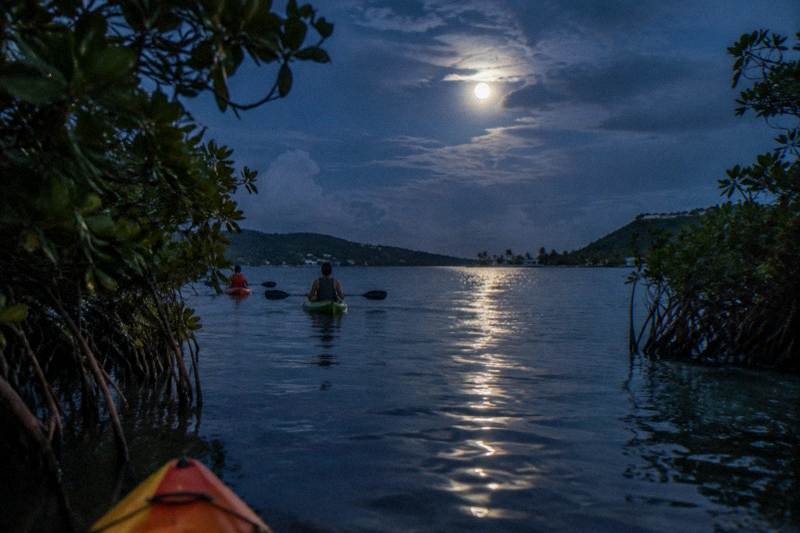
Moon Phase And The Bioluminescent Bays
Darker nights around a new moon give better viewing, and nights around a full moon make the glow harder to see. Here is what that means for each of Puerto Rico's three bays, which nights are closed by rule, and how rescheduling works when the sky does not cooperate.
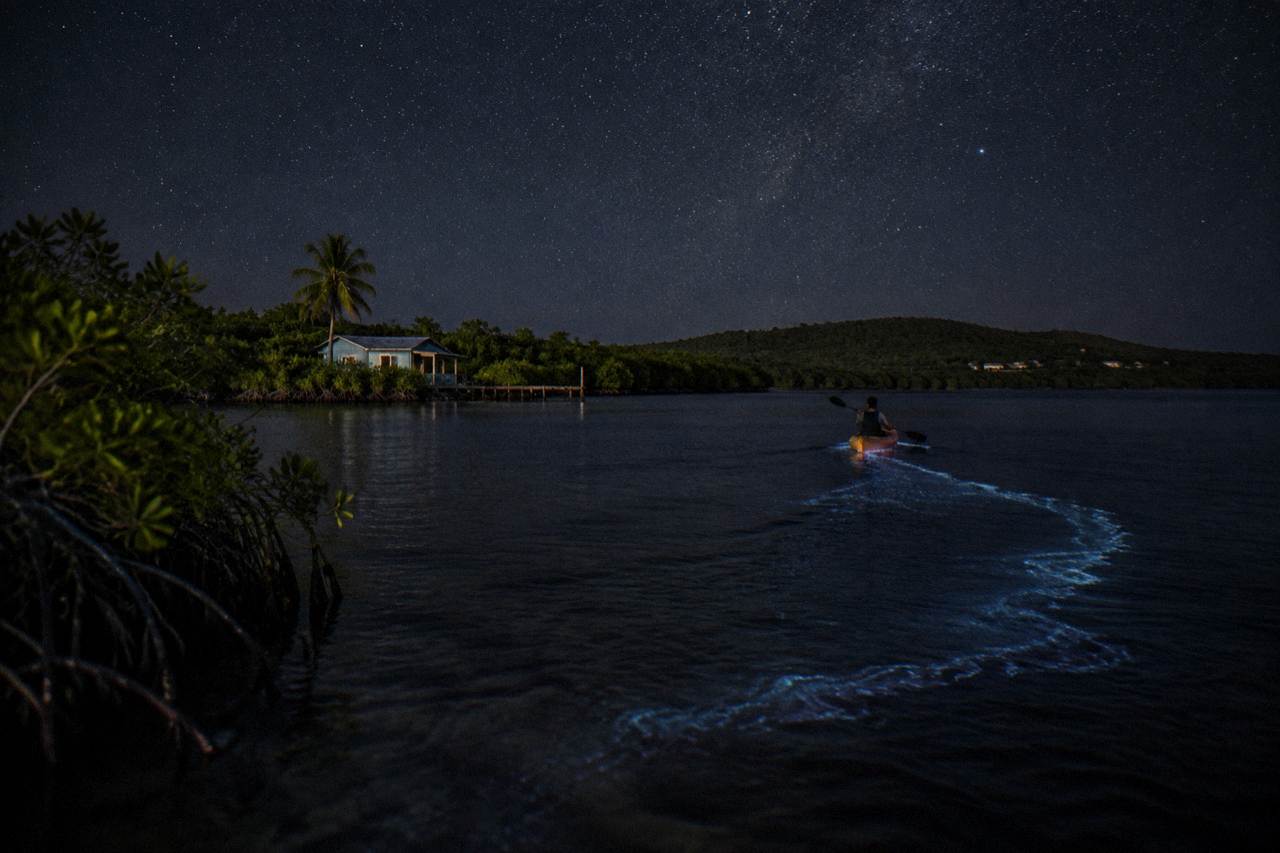
Short answer
Pick a night within roughly five days of a new moon. Mosquito Bay in Vieques is legally closed to tours the night before, the night of, and the night after a full moon, while Fajardo and La Parguera run regardless and one Fajardo operator even sells a full moon kayak tour. Every listing on this site allows free cancellation up to 24 hours before.
Moonlight is the single biggest variable you can plan around when booking a bioluminescent bay tour in Puerto Rico. The organisms are present year-round at all three bays, but the visible intensity varies with moonlight, weather and water conditions, and the difference between a moonless night and a full moon night is the difference between an easy show and a struggle to see anything at all. The official guidance from Discover Puerto Rico is blunt about it: visit on a moonless night. There is also a rule that surprises a lot of travelers, because one of the three bays does not simply get dimmer around a full moon, it legally closes.
This guide walks through the whole lunar picture: why new moon windows are the prize, what a full moon actually does to the glow, why Mosquito Bay in Vieques shuts down for three nights a lunar cycle while Fajardo and La Parguera keep running, how clouds and rain layer on top of the moon, and how rescheduling works when a night goes wrong. Along the way it names the actual tours affected, from the featured Kayaking Puerto Rico outing at Laguna Grande to the Vieques Kayaks trip at Mosquito Bay and the full moon kayak tour that one Fajardo operator deliberately sells on the brightest nights of the month.
Why Does Moon Phase Matter So Much For The Glow?
The glow itself is faint blue light produced by dinoflagellates when the water is agitated, and moonlight is a spotlight shining on the same water from above. On a dark night your eyes adapt and the blue trail behind a paddle reads clearly; on a bright night the same organisms flash just as often, but the background light washes them out, the way stars vanish over a city.
The organism doing the work is a dinoflagellate called Pyrodinium bahamense, and it glows when the water around it is disturbed, which is why a paddle stroke, a passing hull or a fish can all trigger a flash. Nothing about the moon changes how often the organisms flash. What changes is how much competition the flash has. Human night vision takes ten to twenty minutes to fully adapt in darkness, and a rising moon or an unshielded phone screen resets that clock instantly. That is also why operators discourage flashlights and phone screens on the water: not etiquette, physics.
The verified guidance for all three bays asks visitors to avoid flashlights, phone screens and any unnecessary light, keep noise down, and not touch or remove anything from the water, guidance published by Discover Puerto Rico's bay protection page. The moon is the one light source nobody can turn off, so the entire planning exercise is about scheduling around it.
A useful mental model: think of the lunar month as a dimmer switch. The two or three nights on either side of a new moon are the darkest of the month and give the glow the blackest possible backdrop. As the moon fills, the window of truly dark hours shrinks, first on the evening side and then on both. By the full moon itself, the moon rises as the sun sets and shines all night. The glow does not switch off, but your eyes stop being able to pick it out easily, and at Mosquito Bay the regulators step in before that point anyway.
For a deeper look at the seasonal side of the equation, which months pair the best moon windows with the best weather, see the site's guide to the best time to visit the bio bays.
Which Nights Around The New Moon Are Best?
The best nights are the three to four on either side of a new moon, when the moon is absent or a thin sliver that sets early. The two weeks between new moons mean roughly half the month is genuinely dark; the other half gets progressively harder as the moon waxes. Book the darkest window you can, then let weather decide the rest.
A new moon is not a single night you must hit exactly. The moon is invisible or near-invisible for several nights around it, and even a crescent moon often sets within a couple of hours of nightfall, leaving the back half of an evening tour in true darkness. That is why tour calendars cluster bookings in that window, and why the highest-demand dates at the busiest bays are new moon weekends, when the darkest sky lands on a Friday or Saturday.
The practical way to plan is to pull up a lunar calendar for your travel month, mark the new moon, and treat the five nights centered on it as your target zone. If your trip is fixed and the moon is wrong, do not cancel the idea, because the bay you choose can matter as much as the night. A bay with a very high concentration of organisms can still put on a visible display on a moderately bright night, while a bay with a lower concentration needs all the help it can get from darkness. The dinoflagellate counts are wild and vary with rain, season and water conditions, so no operator can promise intensity on any given night, dark or bright.
| Lunar window | Sky condition | What it means for the glow |
|---|---|---|
| New moon, plus or minus 2 nights | Darkest of the month | Best backdrop; highest-demand nights, book early |
| Waxing or waning crescent | Dark early evening, moon sets within hours | Very good, especially for later tour slots |
| First quarter to waxing gibbous | Moon up for part of the evening | Workable; earlier departures face more moonlight |
| Three nights around full moon | Moon up all night | Hardest viewing; Mosquito Bay closed by rule |
| Waning gibbous | Moon rises late | Early-evening tours can still catch dark hours |
The three tours below cover the two extremes of that table. The full moon kayak tour from Puerto Rico Bio Bay Tours LLC is the deliberate exception, a Laguna Grande outing built for the brightest nights, the featured Kayaking Puerto Rico tour is the standard dark-night workhorse at the same bay, and the Vieques Kayaks trip runs at Mosquito Bay, where the full moon window is off the calendar entirely.
Can You Actually See Bioluminescence During A Full Moon?
Yes, but it is the hardest night of the month, and at Mosquito Bay it is not an option at all because licensed operators may not run tours the night before, the night of, or the night after a full moon. At Fajardo and La Parguera tours run on full moon nights, and one Fajardo operator sells a full moon kayak tour on purpose.
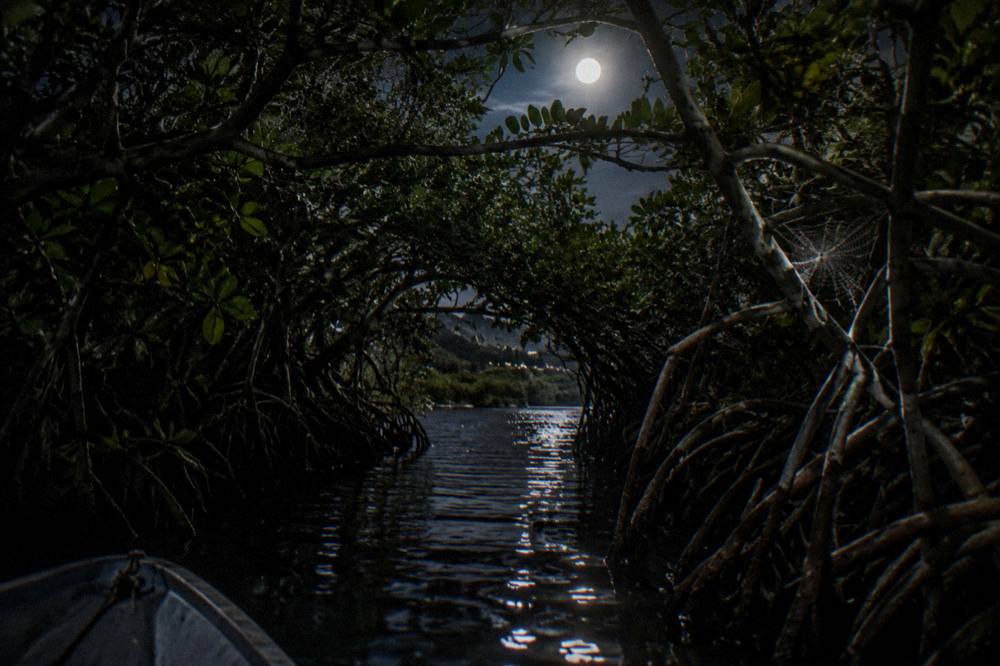
Start with the honest part. On a full moon night the glow from the water is competing with a light source bright enough to read by. Organisms near the surface still flash when a hull passes, and in the shadow of a mangrove channel the effect can still be striking, but across open water most travelers find themselves working to see it. The organisms are present year-round; the visible intensity varies with moonlight, weather and water conditions, and the moon is the loudest of those variables.
Now the twist: not every operator treats the full moon as a lost night. Puerto Rico Bio Bay Tours LLC sells a dedicated full moon kayak tour at Laguna Grande, about 3 hours, from $85 per person, carrying a 4.6 rating from 274 reviews and a "Likely to sell out" badge on the listing. The tour is also offered in its standard bioluminescent format, and the listing recommends a rental car since no transport is provided. The pitch is straightforward: the mangrove channels of Laguna Grande shade the water, the moon itself over the channel can be part of the spectacle, and the operator runs the outing on nights other Fajardo companies write off. It is a real product with a real audience, and it is this article's featured related tour.
The rest of the Fajardo roster runs every night the weather allows, moon included. The featured Bio Bay Kayak Tour from Kayaking Puerto Rico lasts 2 hours, holds a 4.7 rating from 2,176 reviews, and departs from Kayak Village at Las Croabas. The tarp note sits elsewhere: Island Kayaking Adventure, Pure Adventure and Yokahu all mention guides using a tarp to block moonlight on bright nights. That detail is worth pausing on: operators physically shield their guests from the moon when it gets bright, which tells you exactly how much the moon matters. The Yokahu Kayak Trips outing, about 2 hours from $67 per person with a 4.6 rating from 1,821 reviews, checks in at a green tent beside the water 30 minutes before launch.
La Parguera is the third case. It is the only one of the three bays where motorboats run at night and the only one where swimming in the glowing water is generally permitted on most nights, so its format is different to begin with: you ride out by boat rather than paddle through a shaded channel. The Mareaito Charters sunset and biobay cruise, about 2 hours with a 4.8 rating from 573 reviews, starts with a sunset swim at the Caracoles sandbar before the bay itself; snorkeling gear is not included, so bring your own.
Why Is Mosquito Bay Closed Around Every Full Moon?
DRNA-licensed operators may not run Mosquito Bay tours the night before, the night of, or the night after a full moon, three nights per lunar cycle. Operators and booking guides state this as a rule, not a choice, and it exists because full moon light makes the bay's famous glow effectively unviewable, so the trips would not be worth running or paying for.
This is the fact most likely to wreck a poorly planned Vieques trip. A traveler books two nights on the island, arrives, and discovers that both nights fall inside the full moon closure window, and the bay that holds the Guinness World Record for the brightest bioluminescent bay, recognized in 2006 with up to 700,000 dinoflagellates per gallon, is simply not running. The record and the closure come from the same place: this is the densest bloom of the three bays, protected as the Vieques Bioluminescent Bay Natural Reserve, and the regulator treats its viewing window seriously. The closure is specific to Mosquito Bay; Fajardo and La Parguera have no equivalent rule, which is why the full moon kayak tour in Fajardo can exist at all. More of these guides are collected on Bioluminescent Bay Tours Puerto Rico.
Why does Mosquito Bay concentrate organisms so densely? One verified reason is water residence time: water in the bay stays about 13.5 to 14.5 days, long enough for the dinoflagellate population to build up, while faster-flushing bays cannot hold the same concentration. The mangroves at the bay mouth are part of what maintains that slow exchange, and Hurricane Maria caused near-total mortality of those mangroves, which is why the Vieques Conservation and Historical Trust, co-manager of the reserve with DRNA, runs an ongoing nursery and reforestation project described at vcht.org. A NOAA-funded restoration of about $2.96 million began in December 2024 with close to 4,000 plants and 4,000 biodegradable living shoreline bags, reporting an 84 percent planting success rate.
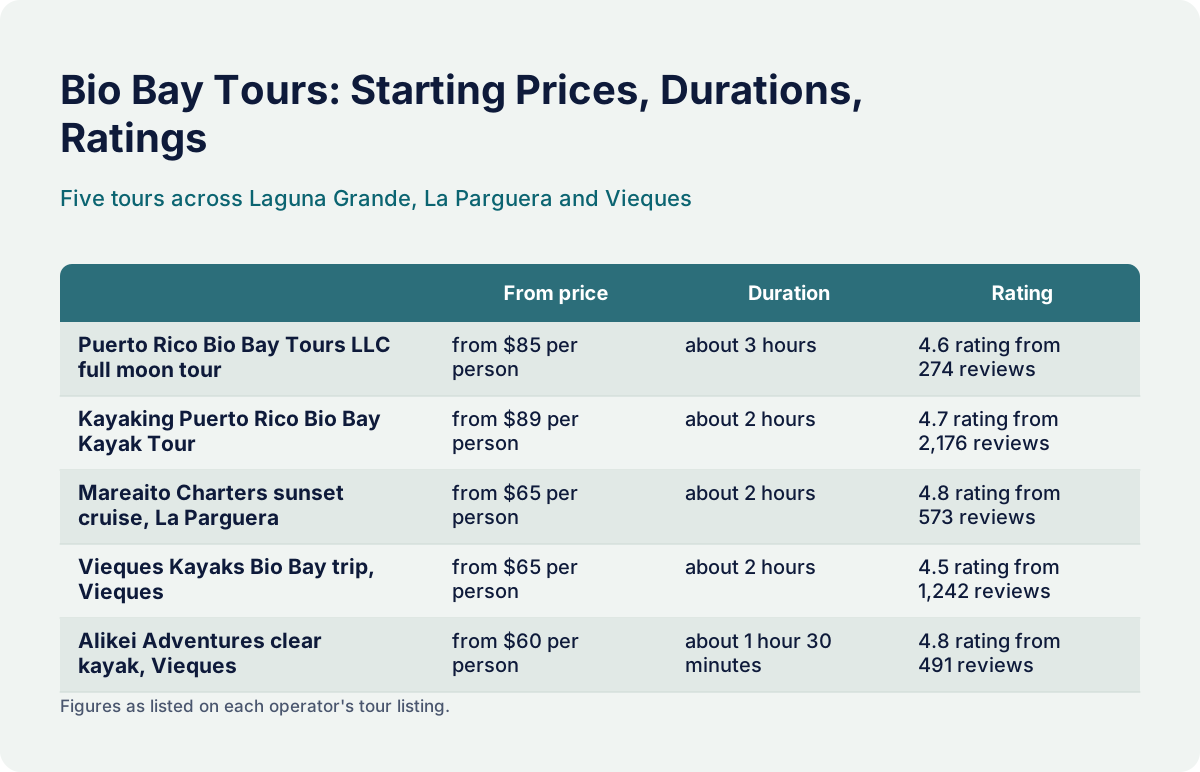
The Vieques tours on this site all work inside that constraint. The Vieques Kayaks Bio Bay trip, about 2 hours from $65 per person with a 4.5 rating from 1,242 reviews and a "Likely to sell out" badge, includes round trip transport from the meeting point in Esperanza to the bay entrance. The Alikei Adventures clear kayak outing, about 1 hour 30 minutes from $60 per person with a 4.8 rating from 491 reviews, meets across from the Sun Bay entrance and includes the van ride to the bay. The Isla Nena pontoon boat, about 40 minutes from $85 per person with a 4.4 rating from 262 reviews, takes up to 9 travelers out on a 24 foot pontoon. All of them, every one, are dark on the three full moon nights, so the island's calendar needs to be checked before the ferry is booked, a logistics problem covered in detail in the Vieques ferry to Mosquito Bay guide.
Getting to Vieques at all takes a ferry from Ceiba or a flight, and because tours run at night, an overnight on the island is the standard recommendation; the Borikua electric catamaran listing notes the last ferry from Vieques departs at 7:30 pm, which forces at least one night's stay. Pair that with a three-night closure and the planning advice writes itself: give Vieques at least two, ideally three, bookable nights if the moon is anywhere near full.
What About Cloud Cover And Rain?
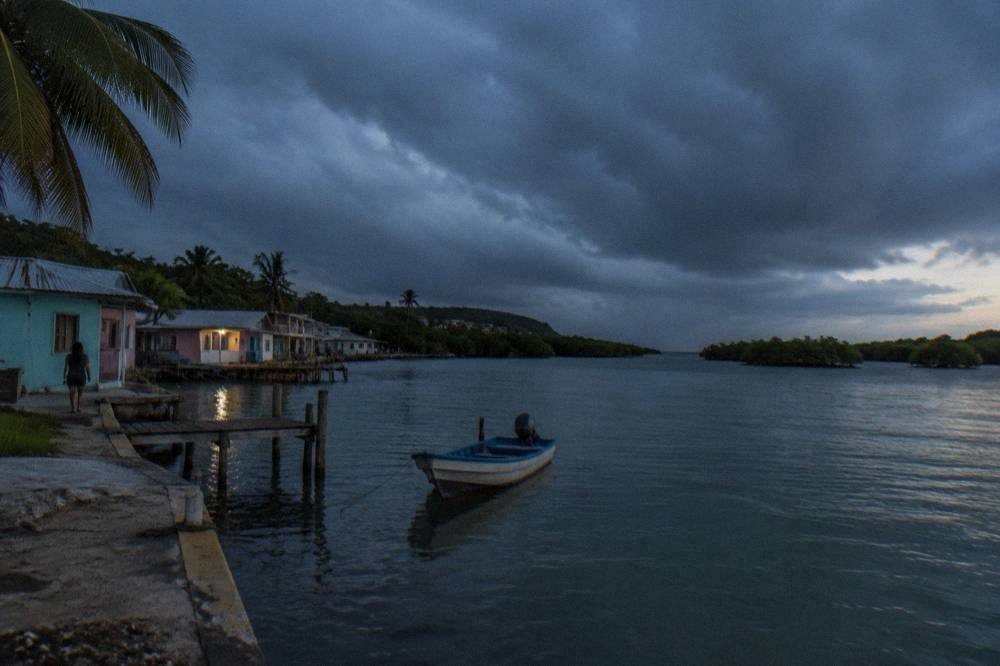
Clouds cut both ways: a heavy overcast on a bright moon night can actually help by masking moonlight, while rain hurts in two ways, churning the water and clouding it with runoff. The verified guidance is that heavy rainfall can temporarily reduce dinoflagellate concentrations and cloud the water, lowering visible glow intensity.
Cloud cover is the one variable travelers hope to game, and sometimes it genuinely works. A thick overcast layer between a bright moon and the water restores some of the darkness the moon takes away, which is why a cloudy night near a waxing gibbous moon can outperform a clear one. The trade-off is that you cannot forecast cloud cover a month out, only a day or two, so it is a bonus rather than a plan.
Rain is the more serious problem, and it works through the water rather than the sky. Heavy rainfall can temporarily reduce dinoflagellate concentrations and cloud the water, lowering visible glow intensity, an effect documented after storms and discussed in local reporting on the bays. A passing shower is usually nothing; a sustained rainy system that has been dumping on the east coast for two days can leave Laguna Grande murky and diluted for days afterward, and no amount of lunar darkness fixes that. The same local reporting that tracks the bays, including Primera Hora's coverage of a June 2026 site visit that measured 304,000 organisms per gallon at Mosquito Bay, treats rain and storm runoff as one of the standing variables in how bright any given week runs.
Seasonal patterns stack on top. A 2024 study of Laguna Grande found dinoflagellate densities generally low in late winter and higher in late summer, with hurricanes raking and refreshing the lagoon in ways that reshape the population afterward. Sargassum is the other moving piece: in July 2026 about 80 cuerdas of La Parguera bay were covered and DRNA activated its removal protocol, part of a projected record influx of about 55 million tons to Puerto Rico for the year, up from 40 million the year before. None of that is a reason to skip a trip, but it is a reason to keep expectations calibrated and to check with your operator about recent conditions when you book.
| Condition | Effect on viewing | Can you plan for it? |
|---|---|---|
| Clear night, new moon | Best case: darkest backdrop | Yes, lunar calendar is exact |
| Overcast, bright moon | Often better than clear, clouds mask moonlight | Partly, a 1 to 2 day forecast helps |
| Passing shower | Usually minor if water stays clear | No, but tours often still run |
| Sustained heavy rain | Water clouds and thins, glow drops | Watch the days before your tour |
| Sargassum influx | Localized, bay dependent | Ask the operator about recent weeks |
The site's guide to rain, weather and cancellations goes deeper on the storm side, including what happens to bookings when a system rolls through.
How Do Tours Handle Rescheduling And Cancellations?
Every listing on this site offers free cancellation up to 24 hours before the tour for a full refund, as stated on each platform listing. Beyond that, policies are the operator's own: weather calls are made by the operator, and if a tour is cancelled on their side the standard remedy is a reschedule or refund rather than a forfeited payment.
That 24-hour free cancellation window, uniform across all 24 listings here, is the structural answer to weather anxiety. It means you can book the best moon window on the calendar weeks in advance, watch the forecast as it approaches, and still pull out without cost up to a day before. It also means the smart play on a borderline night is to hold the booking rather than preemptively cancel, because the operator has better information about the water than any forecast app, and they are the ones who eat the cost if conditions are genuinely unrunnable.
Rescheduling mechanics vary by operator, so check the listing for the specific tour. What can be said generally: tours that cannot run because of weather are the operator's cancellation, not yours, and a full refund or a new date is the normal outcome. What cannot be promised generally is a glow, on any night, dark or bright, because bioluminescence is wild and varies with moon, rain, season, sargassum and water conditions. Any listing or article that guarantees the glow is selling you something the biology does not support.
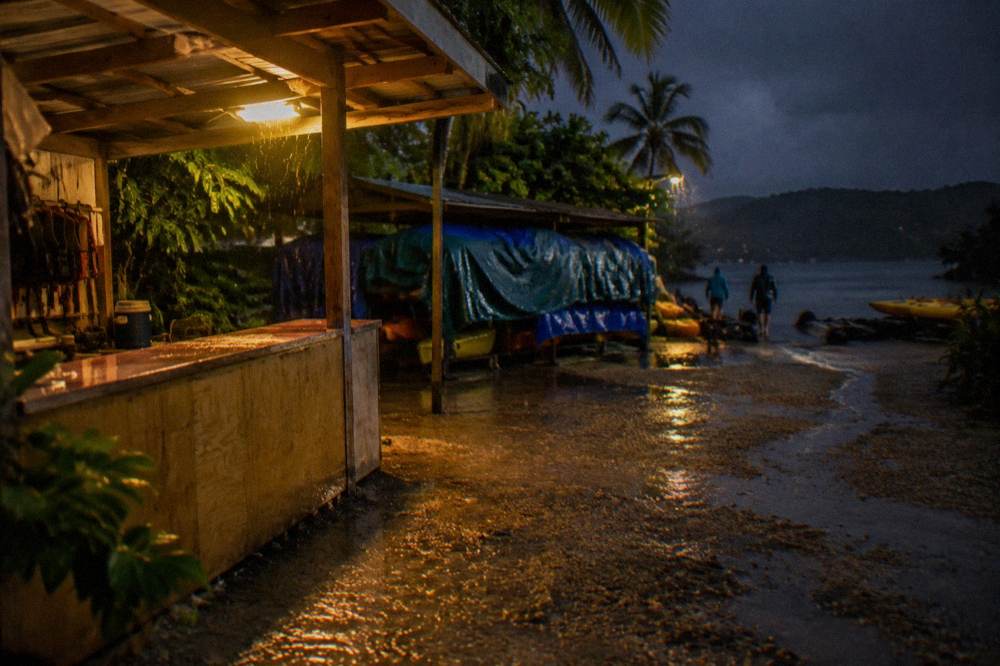
The transport-included tours from San Juan add one wrinkle: a 5-hour door-to-door outing like the Puerto Rico Access Eco Tours night kayaking trip, from $125 per person with a 4.3 rating from 151 reviews, spends two of those hours on the road each way, so a weather call on those departures is often made earlier in the day. The Peniel Access Eco Tours version, about 4 hours from $125 per person with a 4.4 rating from 136 reviews, includes round trip transport in the listing. The Bespoke Lifestyle La Parguera boat tour from San Juan, about 9 hours from $199 per person with a 4.8 rating from 116 reviews, is a full evening commitment, and the Caribbean Breeze version, about 9 hours from $54.99 per person with a 4.0 rating from 717 reviews, notes the boat leaves after a drive of about two hours.
| If this happens | What usually follows | Your cost |
|---|---|---|
| You cancel more than 24 hours out | Full refund per the listing | Nothing |
| Operator cancels for weather | Refund or reschedule offered by the operator | Nothing |
| You cancel inside 24 hours | Listing terms apply, check before booking | Varies by listing |
| Mosquito Bay full moon closure | Those dates are never bookable | Nothing, the nights do not exist |
| You want a different moon window | Rebook on an open night, subject to availability | Standard price |
Which Nights Should You Avoid, And Which Should You Target?
Avoid the three nights around a full moon for Mosquito Bay, since they are closed by rule, and treat the week of the full moon as the weakest viewing window everywhere else. Target the five nights centered on a new moon, and if your dates are locked, prefer Fajardo or La Parguera over Vieques when the moon is bright, because they keep running.
The avoid list is short and mechanical. First, the Mosquito Bay closure window: the night before, the night of, and the night after every full moon, three nights in each lunar cycle when the brightest bay on the island is dark to tourism. Second, the full moon week in general: even where tours run, that is the month's weakest viewing, and paying full price to squint is a bad trade unless you are deliberately booking the full moon kayak tour at Laguna Grande, which is built for exactly those nights. Third, the night after sustained heavy rain, for the water-clarity reasons above, though this one you judge a day or two out rather than a month out.
The target list is just as mechanical. Five nights around the new moon, with the exact new moon night and the two after it usually the darkest. If your trip spans a weekend, find the new moon nearest your dates and bias your bay nights toward it. And if the calendar is against you, remember that bay choice is your second lever: Laguna Grande and La Parguera run every night the weather allows, so a full moon trip to Puerto Rico is still a bio bay trip, just a Fajardo or Lajas one rather than a Vieques one. The comparison between the three bays, including swimming rules and transport, is laid out in the Fajardo versus Vieques versus La Parguera guide.
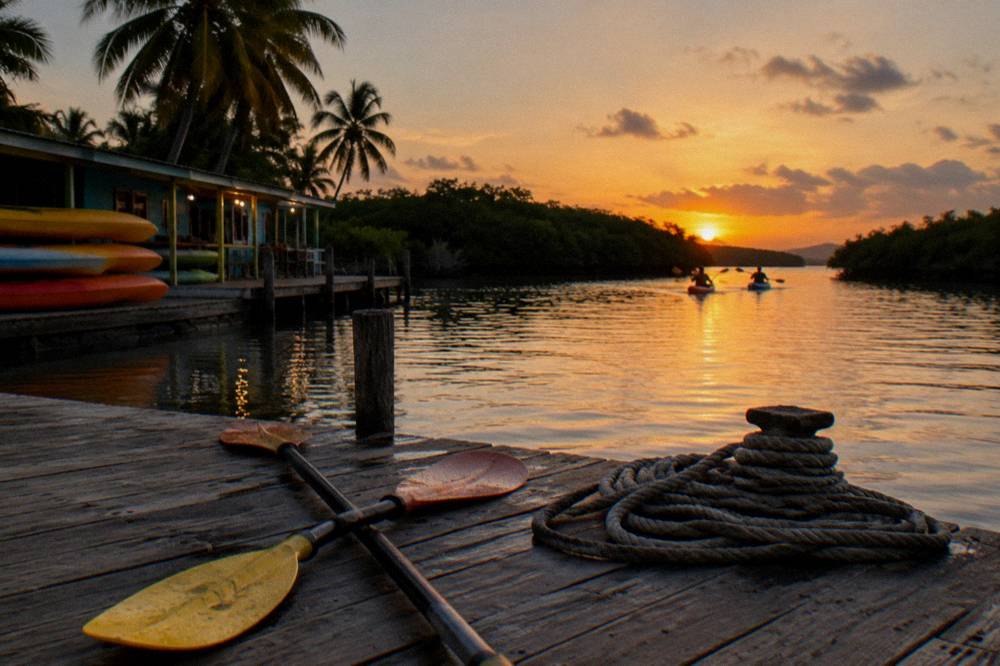
One more planning note for the ambitious. The El Yunque rainforest and bio bay combo from Bespoke Lifestyle, about 12 hours from $179.65 per person with a 4.7 rating from 1,020 reviews and a "Likely to sell out" badge, starts at 9:00 in the morning and ends with the Laguna Grande kayak after dark, so a bad moon night turns a long day into a very long day. The Island Journeys version, about 12 hours from $184 per person with a 4.7 rating from 244 reviews, runs the same shape with pickup at 8 San Juan locations. If you are spending a full day and a full fare, spend them on a dark night.
| Your situation | Best move | Bay that fits |
|---|---|---|
| Dates flexible, want the best show | Book the 5 nights around a new moon | Any of the three |
| Trip lands on a full moon week | Book Fajardo or La Parguera, skip Vieques | Laguna Grande, La Parguera |
| Only two nights on Vieques | Check the closure window before booking the ferry | Mosquito Bay, if dates are clear |
| Want a full moon experience on purpose | Book the dedicated full moon kayak tour | Laguna Grande |
| Forecast shows rain all week | Hold the booking, let the operator make the call | Any, with free cancellation |
The pattern across all of this is that the moon rewards planners and punishes improvisers. The lunar calendar is published years in advance, the closure rule is fixed, and free cancellation up to 24 hours before means there is no cost to booking the right window early. The three listings below are the ones this site would put at the top of a moon-phase-first plan: the full moon specialist for bright weeks, the featured Fajardo standard tour for dark ones, and the Vieques Kayaks trip for the new moon nights when the record-holding bay is at its best.
Common Questions About Moon Phase And The Bio Bays
Does the moon affect bioluminescence itself?
No. The moon changes how visible the glow is to your eyes, not how often the organisms flash. On a bright night the same dinoflagellates are present and flashing, but moonlight washes out the faint blue light, the way city lights wash out stars.
Can you see bioluminescence during a full moon?
It is the hardest night of the month, but tours at Laguna Grande and La Parguera still run, and one Fajardo operator sells a dedicated full moon kayak tour. Mosquito Bay in Vieques is different: licensed operators may not run tours the night before, the night of, or the night after a full moon.
Why is Mosquito Bay closed on full moon nights?
DRNA-licensed operators are restricted from running Mosquito Bay tours on the three nights around each full moon because moonlight makes the glow effectively unviewable there. Operators and booking guides state this as a rule rather than an operator choice, and it applies only to Mosquito Bay.
How many nights around a new moon are good for viewing?
Roughly five: the new moon night itself plus two or three on either side, when the moon is absent or sets early. These are the darkest nights of the month and the highest-demand bookings, so reserve early for new moon weekends.
Do clouds help or hurt bioluminescent bay viewing?
Both. A heavy overcast can mask moonlight on an otherwise bright night and improve viewing, while rain hurts by churning and clouding the water. Sustained heavy rainfall can temporarily reduce dinoflagellate concentrations and lower visible glow intensity.
What happens if my tour is cancelled for weather?
Every listing on this site offers free cancellation up to 24 hours before for a full refund. If the operator cancels for weather, the standard remedy is a reschedule or refund. Check the specific listing for its rescheduling terms before you book.