Rain, Weather And Cancellations At The Bio Bays
Rain can cloud the water and thin the dinoflagellate concentration that makes Puerto Rico's bays glow, but the organisms are present year-round and the visible intensity varies. Here is what weather actually does to the glow, who decides when a tour is cancelled, and what the listings promise on refunds.
Short answer
Heavy rain can temporarily reduce dinoflagellate concentrations and cloud the water, dulling the visible glow, but the organisms stay present year-round. Cancellations are decided by each operator, and every tour listing on this site states free cancellation up to 24 hours before for a full refund. Hurricane season runs June to November, and moonlight matters as much as rain.
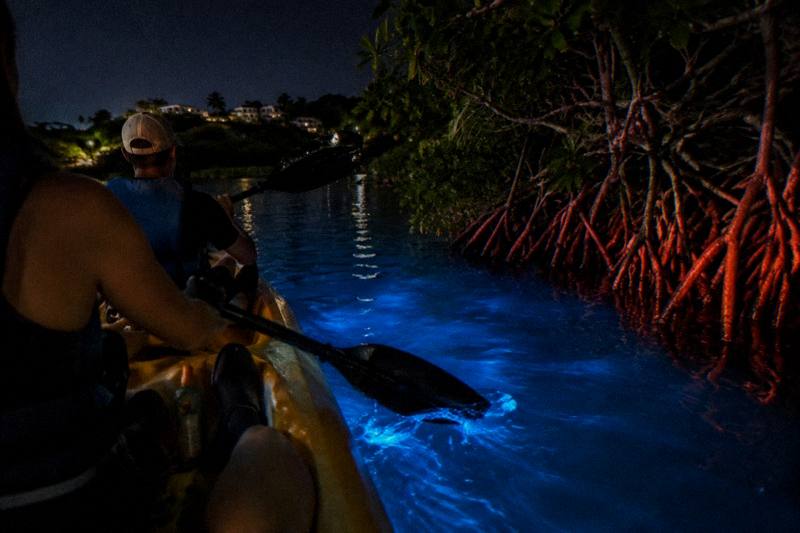
Rain is the single most common reason travelers hesitate before booking a bio bay night in Puerto Rico, and it is also the most misunderstood. The glow comes from dinoflagellates, microscopic organisms that live in the water of Laguna Grande, Mosquito Bay and La Parguera year-round, so a shower does not switch the phenomenon off. What weather can do is make the glow harder to see: heavy rainfall clouds the water and can temporarily reduce the concentration of organisms, and a bright moon overhead competes with the blue flash of every paddle stroke.
The practical questions are the ones that actually decide your trip. Does a rainy forecast mean the tour is off? Who cancels, and what happens to your money? Is a June to November booking a gamble? This guide works through each of those, using the verified listing terms of the 24 tours on this site, from the Pure Adventure Fajardo kayak outing to the Mareaito sunset cruise in La Parguera, plus the current science on what dims a bay and why.
What Does Rain Actually Do To The Bioluminescent Glow?
Rain does not remove the organisms, it hides them. The dinoflagellates that produce the glow are present in all three Puerto Rico bays year-round, but heavy rainfall can temporarily reduce their concentration and cloud the water, which lowers the visible intensity on the night. A bay that glows faintly after a storm can glow strongly again within days as conditions settle.
The mechanism is simple once you picture the bays as enclosed bodies of water rather than open ocean. Laguna Grande in Fajardo is a lagoon reached through a narrow mangrove channel, Mosquito Bay in Vieques holds its water for about 13.5 to 14.5 days before it exchanges, and La Parguera is a shallow bay system behind mangrove cays. That slow exchange is precisely why the bays bloom so densely in the first place: faster-flushing water cannot hold the same concentration of organisms. When a heavy rain dumps freshwater into a bay, it dilutes and disturbs that balance, stirs up sediment that clouds the water, and the flash you came to see has to compete with murk.
Mosquito Bay is the reference point for how dense a bloom can get. It holds the Guinness World Record for the brightest bioluminescent bay, with up to 700,000 dinoflagellates per gallon, recognised in 2006. During a site visit in June 2026, biologists measured 304,000 organisms per gallon, a strong concentration by any standard. That same bay has gone dark twice, after a 2014 event and for about seven months following Hurricane Maria, and both episodes are reminders that the glow is an ecosystem, not a light switch. The 2014 blackout is what led to the ban on swimming there.
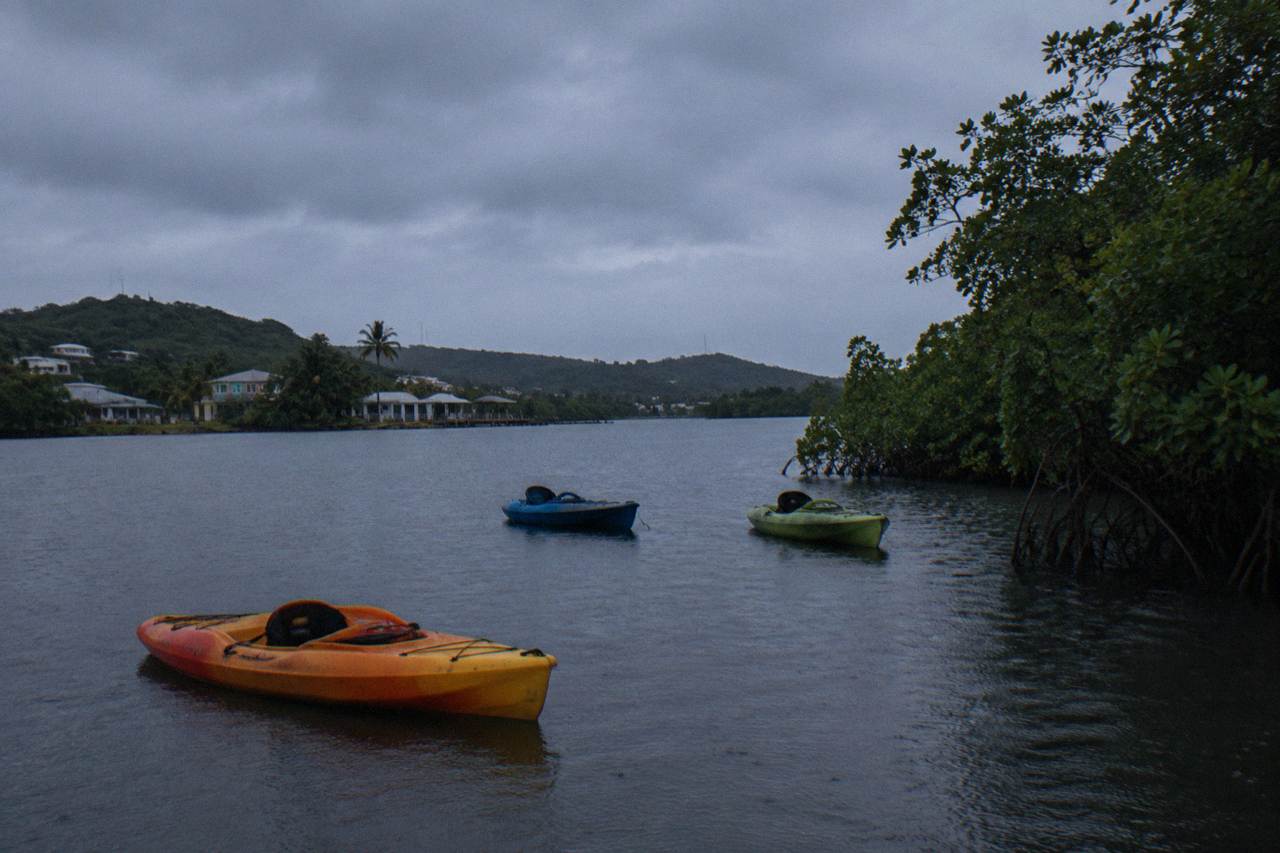
A passing shower is a different matter from a sustained downpour. Many nights on the water start with a brief rain that clears, and tours in Puerto Rico generally run in light rain because the glow does not depend on a clear sky. The decision is the operator's, made on the night and on the water conditions in front of their guides. If a storm system is sitting over the coast, the honest answer is that the listing, not the forecast app, tells you what happens next, and every listing on this site states free cancellation up to 24 hours before.
Do Bio Bay Tours Get Cancelled For Rain?
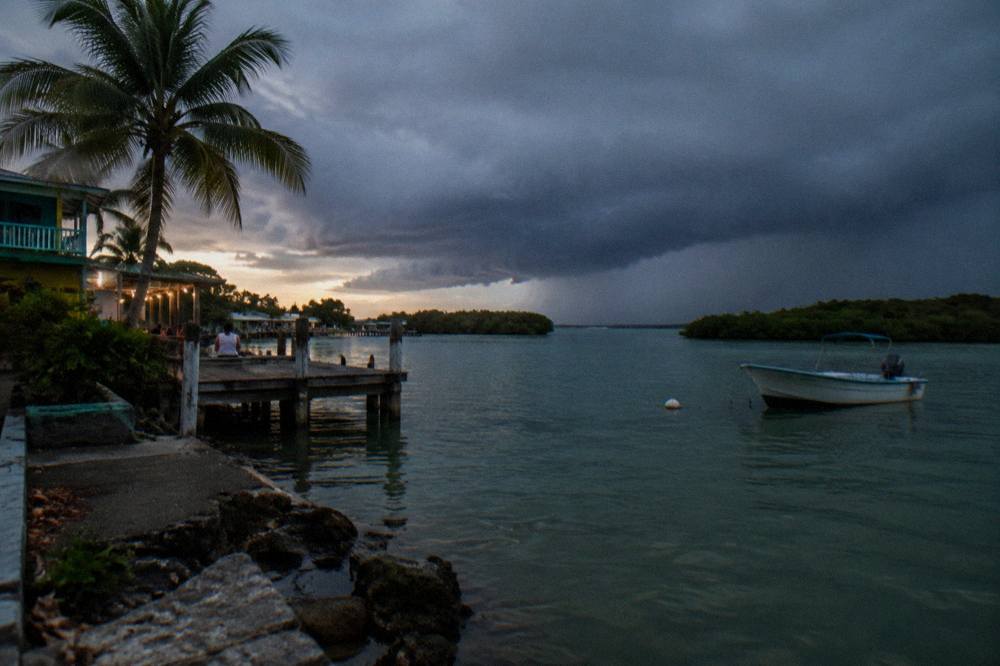
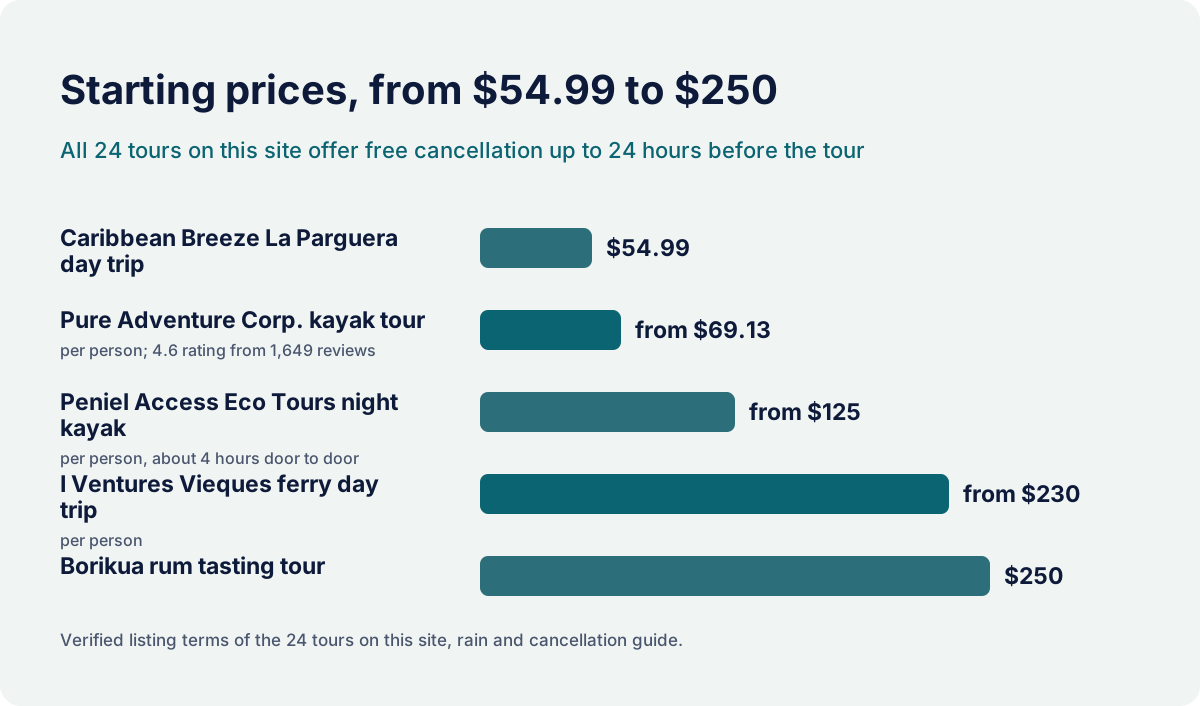
Tours are cancelled for unsafe conditions, not for rain itself, and the decision belongs to the operator on the night. Lightning, small-craft advisories, storms or water conditions a guide judges unsafe are what stop a departure. Light rain alone usually does not, because the glow is present regardless of the sky. If your tour is cancelled by the operator, the reschedule or refund path is set out on the listing.
Every operator on this roster, from Kayaking Puerto Rico at Kiosk 11 in Las Croabas to Alikei Adventures with its clear kayaks in Esperanza, runs on the same basic logic: the guides read the water and the sky, and the company decides whether the outing goes. There is no island-wide rain rule, no DRNA rain closure, and no fixed threshold published by any of the three bays' managers. That means two operators on the same beach on the same evening can reach different conclusions, and both are acting within their license.
The formats matter more than travelers expect. A tandem kayak outing in the Laguna Grande channel, such as the Yokahu Kayak Trips tour from Las Croabas, runs close to sheltered mangrove water, while the Isla Nena pontoon boat in Mosquito Bay spends about 40 minutes on an open bay with up to 9 travellers aboard. Wind and chop that a kayak group can handle comfortably can make a boat outing unpleasant or unsafe, and vice versa. The Vieques Kayaks Bio Bay trip carries a "Likely to sell out" badge on its listing, which is worth remembering when you weigh a rebooking: the popular nights fill again fast.
What the listings do state, uniformly, is the booking-side protection. All 24 tours on this site offer free cancellation up to 24 hours before the tour for a full refund, as stated on each listing. That is the number that shapes your planning: you can book ahead of the weather window, watch the forecast, and still walk away without cost if the outlook turns bad more than a day out. Inside the final 24 hours, the terms on the live listing govern, and an operator-initiated cancellation is handled by the operator.
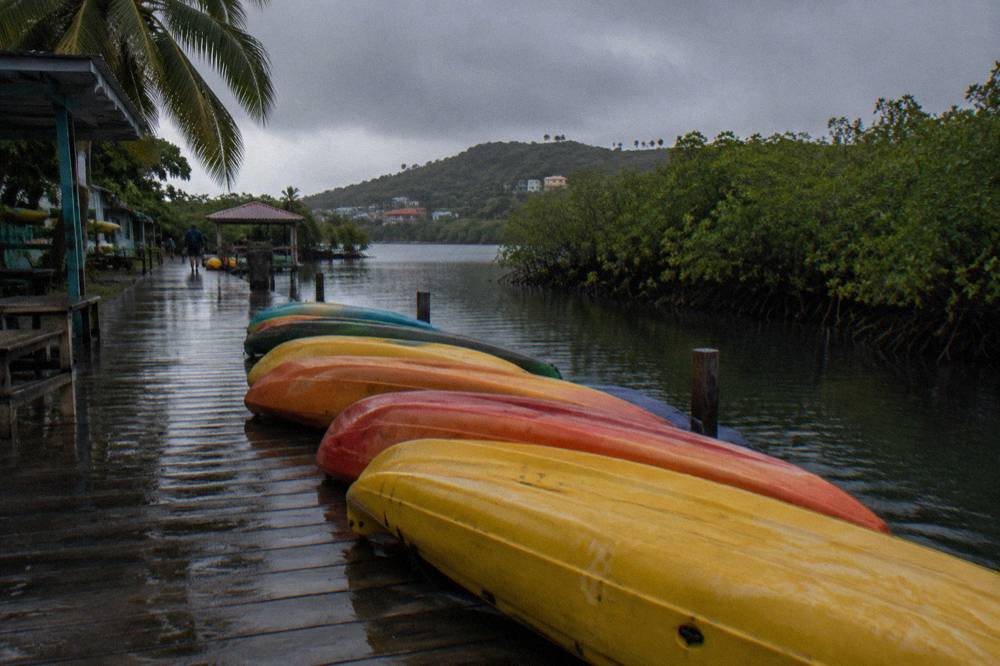
The one weather-adjacent closure that is written down as a rule concerns the moon, not the rain, and it applies only to Mosquito Bay. DRNA-licensed operators may not run tours there the night before, the night of and the night after a full moon, three nights per lunar cycle, because bright moonlight washes out the glow. If you are planning a Vieques night, the bioluminescent bay moon phase guide matters as much as the rain radar. Fajardo and La Parguera have no such published rule, and one Fajardo listing, the Puerto Rico Bio Bay Tours outing, is even sold as a full moon tour.
What Is The Cancellation And Refund Policy On Bio Bay Tours?
Every listing on this site states free cancellation up to 24 hours before the tour for a full refund, and that applies across all 24 products, from the $54.99 Caribbean Breeze La Parguera day trip to the $250 Borikua rum tasting tour. Inside the final 24 hours, the listing terms apply. If the operator cancels for weather, the reschedule or refund is handled through the operator's listing.
That 24-hour window is the single most useful planning fact on this site, and it is verified listing by listing rather than assumed. It means the standard play for a weather-sensitive night is to book early, when the better moon windows are still open, and hold the option rather than the obligation. The Pure Adventure Corp. kayak tour in Fajardo, from $69.13 per person with a 4.6 rating from 1,649 reviews, carries the same free cancellation terms as the Vieques Kayaks trip in Mosquito Bay, from $65 per person with a 4.5 rating from 1,242 reviews, and the Mareaito Charters sunset and bio bay cruise in La Parguera, from $65 per person with a 4.8 rating from 573 reviews.
| Cancellation scenario | Who decides | What the listings state |
|---|---|---|
| You cancel more than 24 hours ahead | You | Free cancellation for a full refund, stated on every listing on this site |
| You cancel inside 24 hours | You | Listing terms apply; check the live listing before booking |
| Operator cancels for weather or unsafe water | The operator | Reschedule or refund handled through the operator's listing |
| Tour runs but the glow is dim | Nature | No listing promises brightness; the organisms are present year-round and intensity varies |
| Full-moon nights at Mosquito Bay | DRNA rule | Licensed operators may not run the night before, of, or after a full moon |
Two honest caveats belong next to that table. First, no operator on this roster promises a bright night, and no honest page should either: bioluminescence is wild, and visible intensity varies with moonlight, rain, season and water conditions. A dim night is possible at any of the three bays. Second, nothing beyond the 24-hour free cancellation is stated on the listings, so refund practice for a no-show, a late arrival or a missed ferry connection is a question for the operator's booking page, not something to assume.
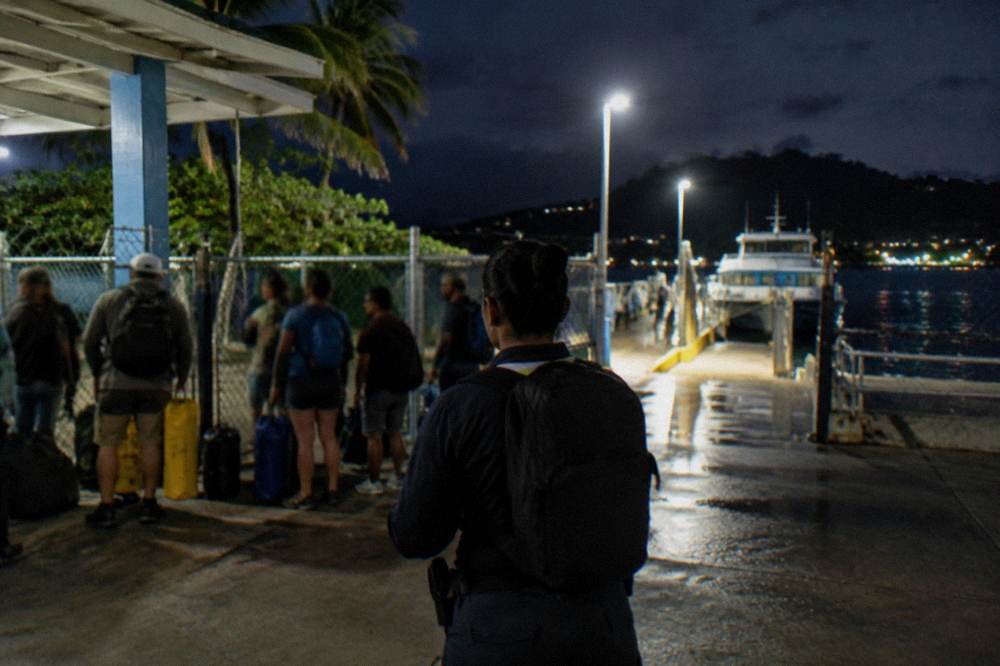
The transfer tours deserve a special note, because their cancellation math is different. A San Juan hotel pickup tour such as the Peniel Access Eco Tours night kayak, from $125 per person for about 4 hours door to door, commits you to nothing until the 24-hour mark, but a missed pickup window on the night itself is a different situation from a self-drive tour. The I Ventures Vieques ferry day trip, from $230 per person over about 11 hours, is the only San Juan departure on this site that includes the Ceiba to Vieques ferry, and a ferry delay is exactly the kind of event whose terms you want to read on the listing before you book.
If you want the full picture of what each bay charges and what each format feels like on the water, the bioluminescent bay tour prices guide breaks the roster down listing by listing, and the can you swim in the bio bay guide covers the rules that a rainy night can make people ask about, since swimming is not permitted at Mosquito Bay or Laguna Grande at all.
What About Hurricane Season, June To November?
Hurricane season in the Atlantic runs June to November, and it overlaps the warmer months when Laguna Grande tends toward stronger dinoflagellate populations. A direct storm is rare on any given week, but the season brings higher chances of rain, swell and operator cancellations. The 24-hour free cancellation on every listing is the practical hedge for a season booked in advance.
The overlap is the awkward part of Puerto Rico bio bay planning. The warmer months, roughly May to October, are described for Laguna Grande as the period when water temperatures support peak dinoflagellate populations, while the drier months from December to April offer more stable viewing weather. So the statistically better glow and the statistically wetter sky arrive together. There is no verified brightness percentage for any month, and this site does not publish one, because no source supports it. What is verifiable is the seasonal pattern of the organisms and the seasonal pattern of the weather, and the fact that both exist at once. Everything else covered here is indexed on Bioluminescent Bay Tours Puerto Rico.
Hurricanes are the extreme case, and the recent history of the bays shows both the risk and the recovery. Hurricane Maria caused near-total mortality of the mangroves at the mouth of Puerto Mosquito, the trees that shelter the bloom from washing out, and the bay went about seven months without visible organisms afterward. Natural recovery of that mangrove fringe can take 15 to 30 years, which is why the Vieques Conservation and Historical Trust runs a mangrove nursery and reforestation project, and why a NOAA-funded restoration of about $2.96 million, begun in December 2024 with the trust and DRNA, now supports mangroves, seagrass and coral in the reserve with an 84 percent planting success rate. That is the scale of event that dims a bay for months, and it is nothing like a rainy Tuesday.
For a normal season booking, the practical risks are smaller: a rain system parked over the coast for two days, a rough channel that closes kayak departures, or a storm watch that cancels the Vieques ferry, whose official itinerary you should always check on the Vieques ferry to Mosquito Bay guide. If your dates are locked to a cruise port call or a single free evening, book the tour and the backup plan at the same time. If your dates are flexible, the free cancellation window does most of that work for you.
Moonlight, Sargassum And Other Conditions That Dull The Glow
Moonlight is the biggest predictable dimmer: bright nights around a full moon make the glow harder to see, which is why Mosquito Bay tours close for three nights per lunar cycle. Sargassum is the 2026 wildcard, with about 80 cuerdas of La Parguera covered in July 2026. Rain, wind and turbidity round out the list, and all of them vary night to night.
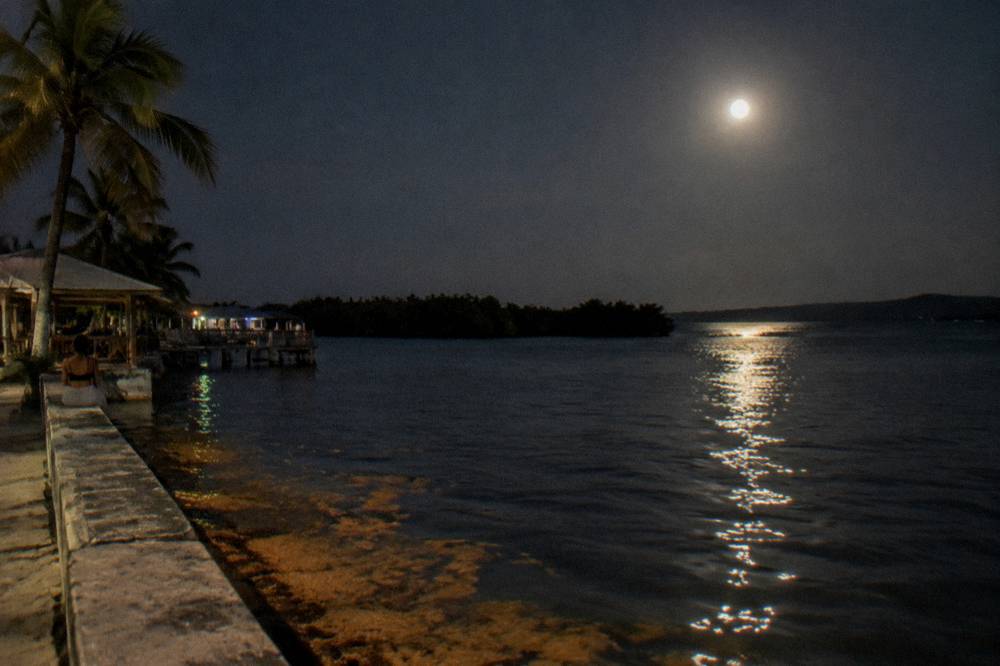
The moon deserves the first seat at the table because it is the only dimmer you can plan around months ahead. The organisms are present year-round, but on a bright night the moonlight competes with the bioluminescent flash, and the darker nights around a new moon give better viewing. At Mosquito Bay this is codified: licensed operators may not run the night before, the night of, or the night after a full moon. At Fajardo and La Parguera there is no published moon rule, tours generally run through the cycle, and one Fajardo operator, Puerto Rico Bio Bay Tours, sells its outing as a full moon tour, a different way of handling the same physics.
Sargassum is the newer variable, and 2026 has made it concrete. The influx to Puerto Rico was projected at a record of roughly 55 million tons, up from 40 million the prior year, and in July 2026 about 80 cuerdas of La Parguera bay were covered, prompting DRNA to activate its removal protocol with a specialized vessel and a long-reach excavator mobilized from Fajardo. For La Parguera tours, the Mareaito Charters sunset and bio bay cruise and the Joytourspr boat outing, heavy sargassum is a conditions problem the same way rain is: the operator reads the water on the day. The organisms and the sargassum are separate phenomena, and one does not cause the other, but both shape what your night looks like.
| Condition | Effect on the visible glow | How it shows up in planning |
|---|---|---|
| Heavy rain | Clouds water and can temporarily reduce dinoflagellate concentration | Operator decides on the night; glow can recover within days |
| Bright moonlight | Competes with the flash; harder to see | Plan around new moon; Mosquito Bay closes three nights per cycle |
| Sargassum | Can cover bay areas and complicate access | July 2026 La Parguera event; operator reads conditions on the day |
| Wind and chop | Makes kayak channels and open bay water rough | Format matters: kayak, clear canoe, pontoon or catamaran |
| Hurricane or storm swell | Cancels tours outright, rarely | Season risk June to November; 24-hour free cancellation hedges bookings |
The remaining variables are smaller but real. Wind matters more for comfort and safety than for the glow itself, and it hits the open-water formats hardest, which is worth weighing if you are choosing between the clear canoes of Adventure Vieques and the electric catamaran of Borikua Tours in Mosquito Bay. Turbidity, stirred-up sediment after rain, is the quiet one: the water can look fine from the dock and still carry the murk that mutes the flash. None of these come with a published brightness score, and any page that hands you a percentage is inventing it.
How To Read A Forecast Before Booking A Bio Bay Tour?
Read three things in order: the moon phase, the rain radar for the departure area, and the wind. Book the darker moon window first, then watch the radar in the 48 hours before the tour, and cancel free up to 24 hours out if the forecast turns. On the night, the operator's go or no-go call is the final word, and the listing carries the terms.
The moon comes first because it is fixed. You cannot reschedule the moon, so pick your dark window before you pick anything else, and let the rain forecast, which moves, be the thing you monitor later. The best time to visit the bioluminescent bays guide works through the calendar in detail, but the short version is that the nights within a week of a new moon are the ones worth protecting, and at Mosquito Bay the full-moon nights are closed to licensed tours anyway.
The radar comes second, and the departure area is what matters, not your hotel. A storm over San Juan can leave Las Croabas clear, and the reverse happens too. The three departure areas on this roster are Las Croabas in Fajardo for the Laguna Grande tours, Esperanza in Vieques for the Mosquito Bay tours, and the La Parguera docks in Lajas for the boat tours. Check the forecast for the bay, not the city you are sleeping in, and remember that the Vieques options require you to already be on the island, since the ferry is not part of those listings.
| Forecast situation | What it usually means for the tour | Your best move |
|---|---|---|
| Clear sky, dark moon | Best viewing combination | Book early; popular listings carry sell-out badges |
| Light rain expected | Tour generally runs; glow unaffected by the sky itself | Go, with a dry bag for electronics |
| Heavy rain or storm system | Operator decides; water may be cloudy for days | Cancel free outside 24 hours or reschedule |
| Full-moon window at Mosquito Bay | Licensed tours do not run three nights per cycle | Shift dates or choose Fajardo or La Parguera |
| Sargassum reported at La Parguera | Conditions problem; operator reads the day | Ask the operator; check the listing's terms |
Wind comes third, and it is the one people forget. A 15 knot evening breeze is fine for a sheltered channel paddle and miserable on an open bay crossing, so match the format to the forecast rather than treating all 24 listings as interchangeable. The bioluminescent bay kayak tour guide compares the kayak formats, and the electric boat bio bay guide covers the calmer-weather options like the Borikua electric catamaran, from $105 per person with a 4.5 rating from 54 reviews.
Which Bay Handles A Difficult Forecast Best?
Laguna Grande is the most weather-forgiving of the three, reached through a sheltered mangrove channel about 1 to 1.25 hours from San Juan. Mosquito Bay has the densest bloom but needs an overnight on Vieques and closes for full moons. La Parguera is the only one where swimming is generally permitted on most nights and the only one with motorboats at night.
Laguna Grande's shape is its weather advantage. It is technically a lagoon inside the Cabezas de San Juan Natural Reserve area, reached through a narrow mangrove-lined channel, so the water you paddle is buffered from open-ocean swell in a way the other bays are not. Six operators run it from Las Croabas, including Kayaking Puerto Rico, Yokahu Kayak Trips, Pure Adventure Corp., Island Kayaking Adventure, Peniel Access Eco Tours and Puerto Rico Bio Bay Tours, with prices from $65 to $89 per person, and no pickup on any of the six, so you drive yourself and keep full control of your timing on a marginal night.
Mosquito Bay is the brightest, the record holder, and the most logistically exposed. It needs a ferry from Ceiba or a flight, tours run at night, and an overnight on Vieques is recommended, which means a weather problem can strand your whole plan rather than one evening. The reward is the densest bloom measured anywhere, and the six listings there, from the Vieques Kayaks trip at $65 to the Salty Spirit clear kayaks at $112, reflect that. The DRNA full-moon closure is the added constraint: three nights per lunar cycle simply do not exist there.
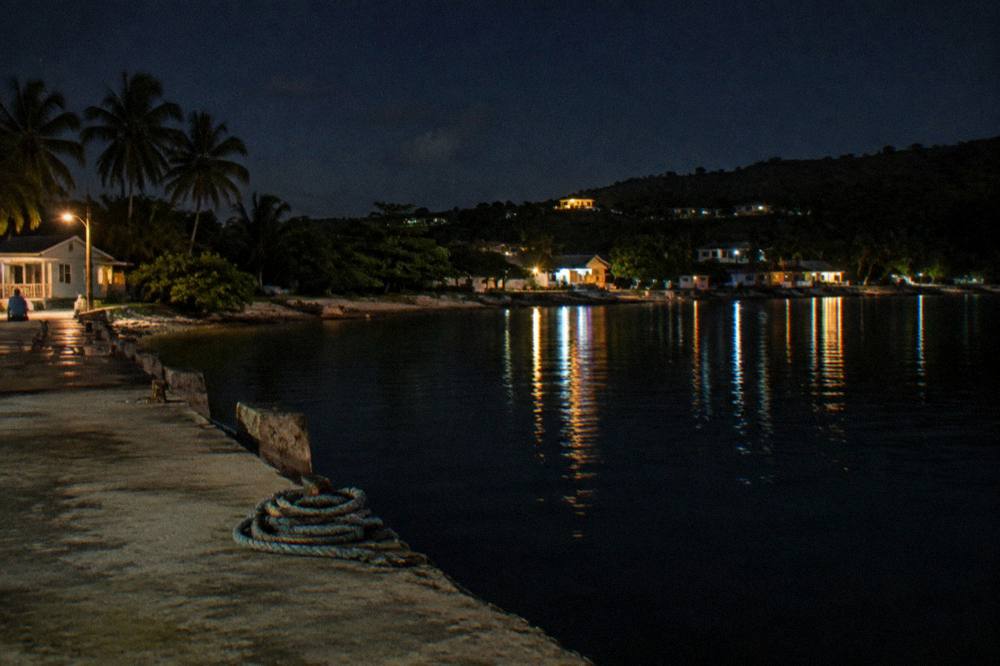
La Parguera is the flexible one, and the only one of the three where swimming in the glowing water is generally permitted on most nights, subject to each operator's safety rules, with flotation required and no touching of the organisms. It is also the only bay where motorboat navigation is permitted at night, which is why the Mareaito Charters cruise, the Joytourspr boat tour and the Aventuras Tropicales outing all run as boat and swim experiences. The trade is the sargassum exposure shown by the July 2026 event, and the honest planning note is that La Parguera's conditions problems in 2026 have come from seaweed as much as from rain.
For a full comparison of the three bays on every axis, not just weather, the Fajardo vs Vieques vs La Parguera comparison lays them out side by side, and the best bioluminescent bay in Puerto Rico guide makes the case for each. If weather is your main worry, though, the short answer is already on this page: book the sheltered channel in Fajardo, protect a dark-moon night, and let the free cancellation window absorb the forecast risk.
A last word on expectations, because it is the one no listing can set for you. The organisms are present year-round at all three bays, the visible intensity varies, and a dim night is possible even on a clear, dark, calm one. What the verified record shows is a phenomenon that has survived two blackouts at Mosquito Bay, a category-5 hurricane's mangrove damage, and a record sargassum year, and that is still measured in the hundreds of thousands of organisms per gallon. Book the dark window, hold the free cancellation, and let the operator make the final call on the water.
Common Questions About Rain And Bio Bay Cancellations
Does rain cancel a bioluminescent bay tour in Puerto Rico?
Rain alone does not cancel a tour. The operator decides on the night based on safety and water conditions, and light rain usually does not stop a departure. Every listing on this site states free cancellation up to 24 hours before for a full refund, so you can cancel yourself outside that window if the forecast looks bad.
Can you still see bioluminescence in the rain?
Yes, the organisms are present year-round and the glow does not depend on a clear sky. Heavy rain can cloud the water and temporarily reduce the dinoflagellate concentration, which lowers the visible intensity, but a light shower on an otherwise dark night can still produce a strong display.
What happens if the operator cancels my bio bay tour for weather?
An operator-initiated cancellation is handled through the operator's listing, which is where the reschedule or refund terms are stated. No roster listing promises a specific outcome beyond the free cancellation up to 24 hours before for a full refund, so read the live listing's terms when you book rather than assuming.
Is hurricane season a bad time to book a bio bay tour?
Hurricane season runs June to November and overlaps the warmer months when Laguna Grande tends toward stronger dinoflagellate populations. A direct storm is rare in any given week, but rain and swell chances are higher. The 24-hour free cancellation on every listing is the practical hedge for a season booking.
Does a full moon ruin the bioluminescence?
A bright moon competes with the glow and makes it harder to see, which is why darker nights near a new moon give better viewing. At Mosquito Bay, DRNA-licensed operators may not run tours the night before, the night of and the night after a full moon. Fajardo and La Parguera have no published moon rule.
Do I get a refund if the glow is dim on my tour night?
No listing on this site promises brightness or offers a refund for a dim night. Bioluminescence is wild and the visible intensity varies with moonlight, rain and water conditions. What every listing does state is free cancellation up to 24 hours before the tour for a full refund.