Is Vieques Or Culebra Better?
Vieques or Culebra for your Puerto Rico island trip? Vieques holds Mosquito Bay, the Guinness record bio bay. Culebra has no bioluminescent bay at all. Here is the honest comparison.
Is Vieques Or Culebra Better?
For bioluminescence, Vieques is better, and it is not close: Vieques holds Mosquito Bay, the Guinness World Record holder for the brightest bioluminescent bay on earth, while Culebra has no bioluminescent bay at all. As general island destinations the two compete on scenery and pace, but if the glow is on your list, only Vieques can deliver it. Since the glow depends heavily on timing, our guide to whether Mosquito Bay is worth it covers the moon rule, the ferry logistics, and what a tour actually delivers.
That single fact decides a lot of itineraries, and it is worth stating plainly because the islands get lumped together so often. Both sit off Puerto Rico's eastern coast, both are reached by ferry or small plane, and both trade the traffic of San Juan for quiet shoreline. But Puerto Rico maintains exactly three bioluminescent bays: Laguna Grande in Fajardo, Mosquito Bay in Vieques, and La Parguera in Lajas. Culebra appears in none of the primary tourism or environmental references that list them. If you have read a page claiming otherwise, that page is wrong.
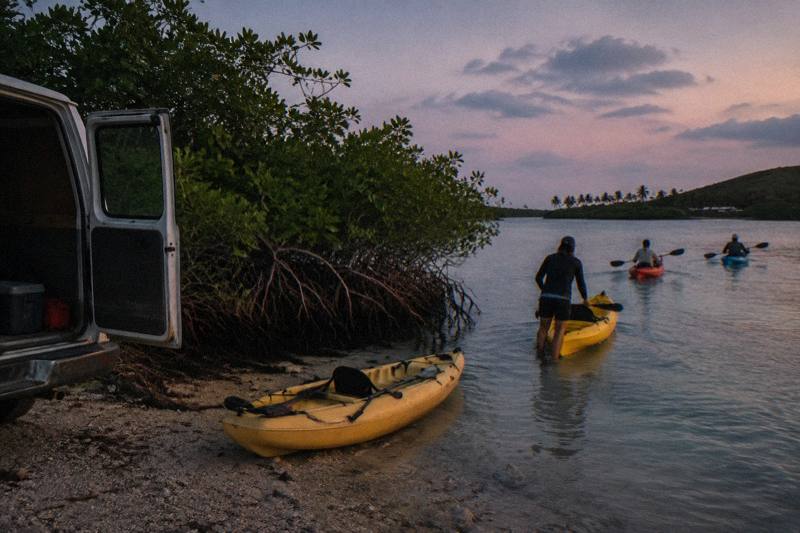
This comparison walks through what each island actually offers, based on verified facts rather than brochure language: why Mosquito Bay sits in a category of its own, what Culebra does have going for it, how the practical logistics of getting and staying there differ, and which travelers should pick which island. Along the way it names the specific tours that visit Mosquito Bay, from the Vieques Kayaks Bio Bay trip to the Isla Nena pontoon boat, because the bay is not something you can walk up to on your own. Licensed operators run it at night, and choosing among them is part of choosing Vieques.
If you already know the bay is the point, the three listings below are the natural starting points: the standard kayak trip, a small-boat alternative, and a full-day option from San Juan that bundles the ferry.
Why Vieques Wins On Bioluminescence
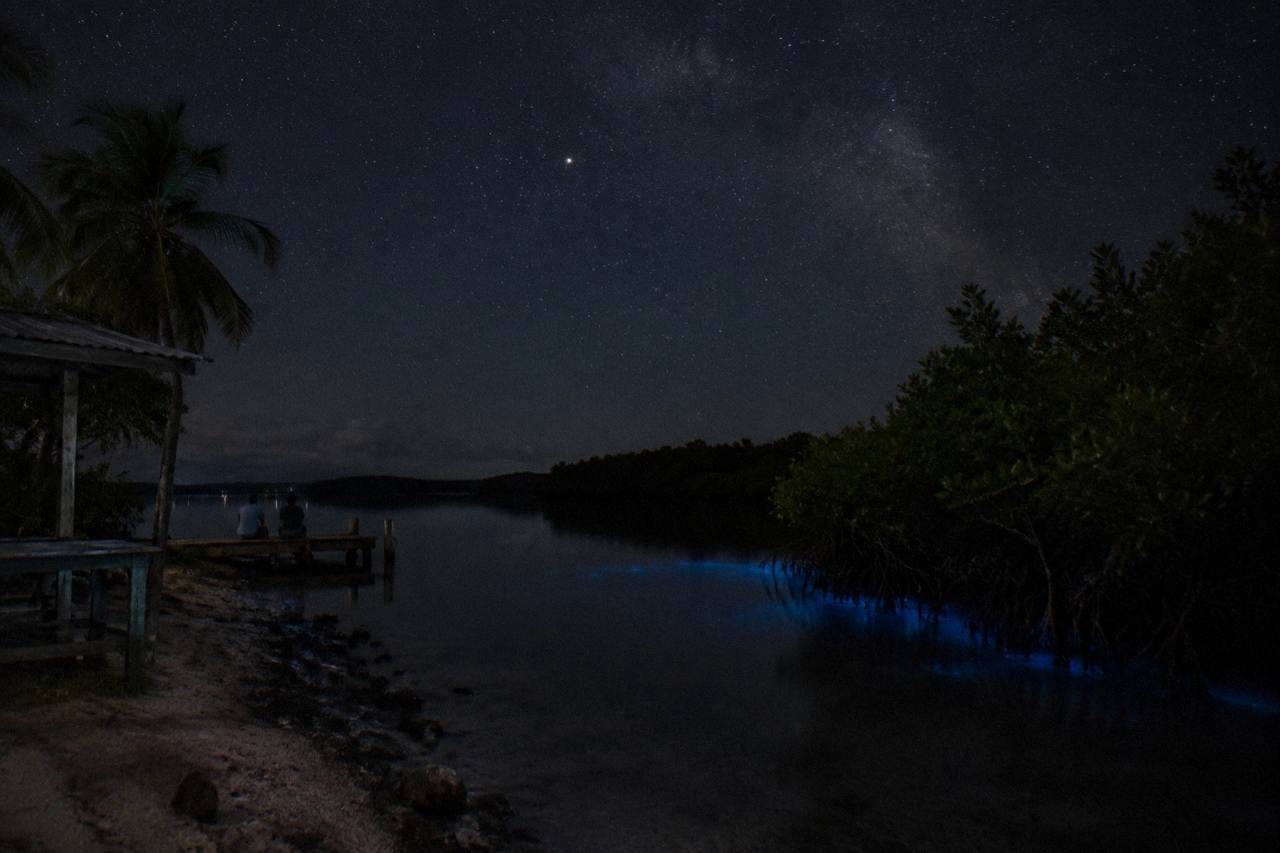
Mosquito Bay on Vieques is the brightest recorded bioluminescent bay in the world, holding up to 700,000 dinoflagellates per gallon of water, a Guinness World Record recognised in 2006. Culebra has no bioluminescent system of any kind. No tour, kayak or boat on Culebra can show you the glow, because the organism population that produces it is not there.
The glow comes from a dinoflagellate called Pyrodinium bahamense, a microscopic organism that flashes blue when the water around it is agitated. What makes Mosquito Bay exceptional is a physical accident of hydrology: water in the bay stays put for roughly 13.5 to 14.5 days before flushing out, long enough for the population to build to extraordinary densities. Faster-flushing bays simply cannot hold the same concentration. In June 2026, biologists visiting the bay measured about 304,000 organisms per gallon, a strong showing below the record peak but well within the range that makes the bay famous.
The bay is protected as the Vieques Bioluminescent Bay Natural Reserve, co-managed by the Puerto Rico Department of Natural and Environmental Resources and the Vieques Conservation and Historical Trust. Two rules shape every visit. Swimming is not permitted, a ban introduced to protect the dinoflagellates after a 2014 blackout in the bay. And licensed operators may not run tours on the night before, the night of, or the night after a full moon, because moonlight washes out the glow. That is a regulatory restriction, not an operator preference, so it applies across every company on the island. Despite the name, bugs are less of a problem than most visitors expect, and the breakdown of mosquito conditions and repellent rules at Mosquito Bay explains what you can safely bring on a tour.
None of this exists on Culebra. The references that catalogue Puerto Rico's bioluminescent systems list three, and Culebra is absent from all of them. A traveler who books a Culebra trip expecting the glow will be disappointed through no fault of any operator there; the biology is simply not present. Our article on what the three bays actually are covers the full map of where the glow exists and where it does not.
The organizations protecting Mosquito Bay have also been busy in ways a first page of search results rarely mentions. The Vieques Conservation and Historical Trust runs a mangrove nursery and reforestation project after Hurricane Maria caused near-total mangrove mortality at the bay's mouth, and a NOAA-funded restoration effort of about $2.96 million, begun in December 2024, has replanted mangroves with an 84 percent survival rate. The health of the bay is an active project, not a settled fact.
Seeing it requires a licensed tour, and the formats vary more than most people expect. The classic option is the Vieques Kayaks Bio Bay trip: about 2 hours, from $65 per person, rated 4.5 from 1,242 reviews, with round trip transport from the Esperanza meeting point to the bay entrance included. It carries a likely-to-sell-out flag, which is common for Mosquito Bay departures given the moon-phase closures shrink the calendar every month.
Ready To Book The Bay?
Wondering which Mosquito Bay tour fits your group?
Every listing on this site offers free cancellation up to 24 hours before the tour for a full refund, so you can lock in a date now and adjust later.
What Culebra Offers Instead
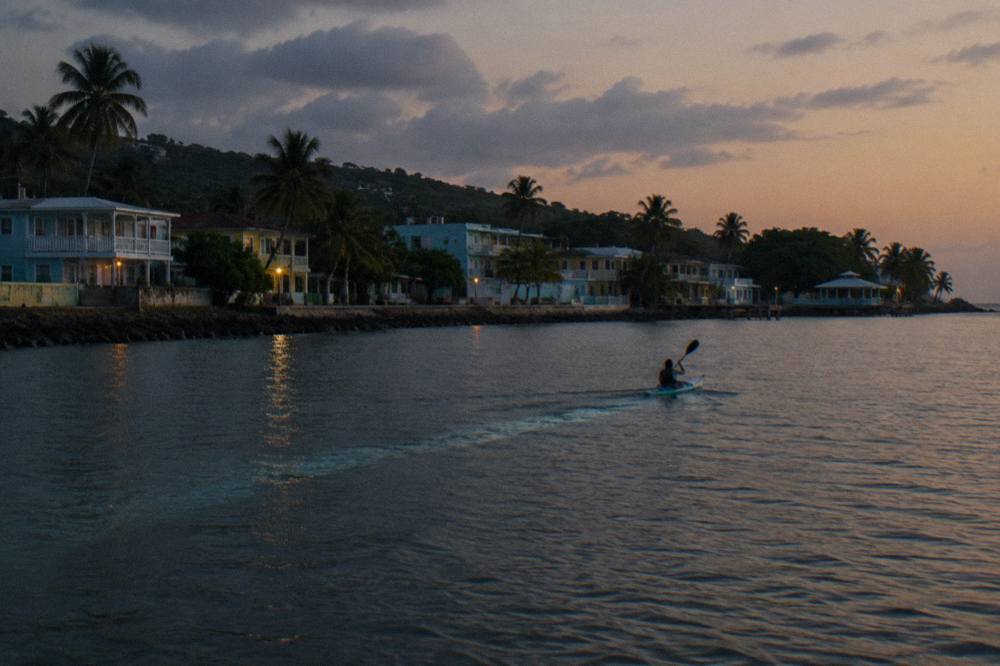
Culebra is a small island municipality with no bioluminescent bay, so its appeal rests on daytime scenery and quiet rather than night-time nature. Tourism references treat it as a beach-and-snorkel destination reached by ferry or small plane, entirely separate from the three-bay bio bay system. It is a legitimate destination, just not a bio bay destination.
Honesty matters here, because Culebra suffers from borrowed reputation. Travel pages sometimes describe "bioluminescent bays near Culebra" or imply a short hop connects the experiences, and the biology does not support it. The organism that glows needs the long water residence time and the mangrove shelter that Mosquito Bay has; a quick look at the primary reference listing Puerto Rico's bioluminescent bays confirms the count is three, none of them Culebra. We do not make claims about Culebra's beaches beyond that they are the island's principal draw in tourism references; ranking shorelines is beyond what verified facts support.
What can be said firmly is structural. Culebra is smaller and quieter than Vieques in terms of developed tourism infrastructure, and it has no night-time nature event comparable to Mosquito Bay. Day trips from the mainland focus on water and shoreline. If your Puerto Rico week is built around snorkeling, lazy beach days and early nights, Culebra can serve that. If any part of your plan involves the glow, you are on the wrong island, and the fix is a ferry east to Vieques or a drive to Fajardo on the main island for Laguna Grande.
A useful framing: Culebra competes with Vieques as a daytime island. It does not compete at night. And the night is precisely what draws many visitors to the region in the first place.
How Getting There Compares
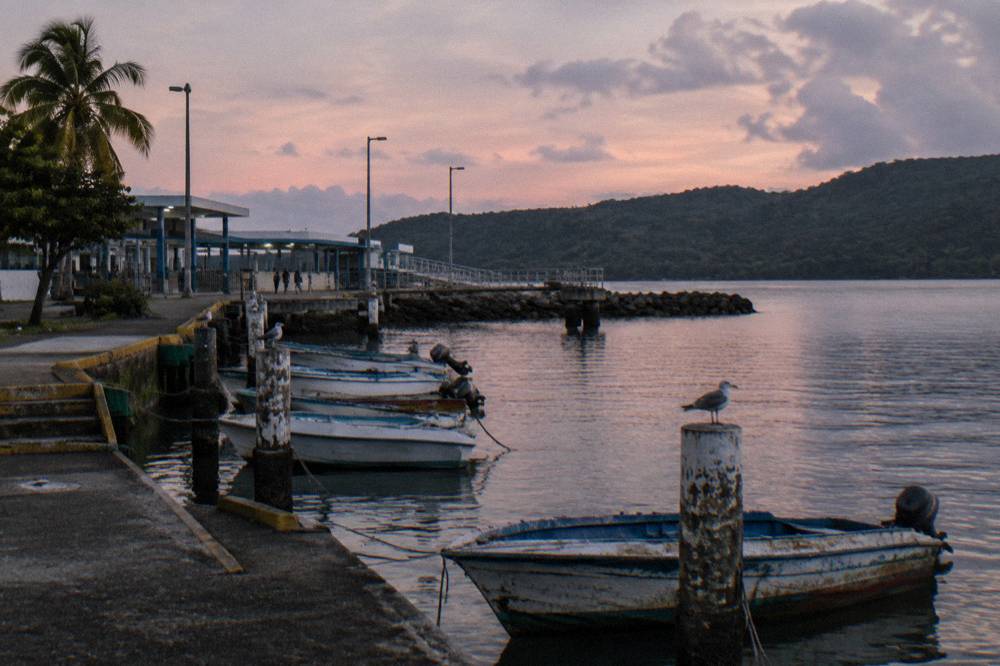
Both islands are reached by ferry from the Ceiba terminal on Puerto Rico's east coast, or by small commercial flights, and both effectively reward an overnight stay over a day trip. For bio bay purposes the math is decisive: Vieques tours run after dark, and one operator listing notes the last ferry from Vieques departs at 7:30 pm, so a bay tour and a same-night ferry back do not fit together.
The ferry point deserves emphasis because it breaks more itineraries than any other detail. Mosquito Bay tours are night tours by definition; the glow is only visible in darkness. Verified guidance recommends an overnight on Vieques for exactly this reason. The official Puerto Rico Ferry itinerary carries the current sailing schedules, and we deliberately do not quote times here beyond the 7:30 pm last departure noted on an operator listing, because sailings change and the official PDF is the authority.
One listing on this site removes the ferry question entirely. The I VENTURES Vieques bio bay and beach day trip from San Juan, rated 4.6 from 226 reviews, includes the Ceiba to Vieques ferry as part of an 11-hour small-group day, with light snacks and water, lunch not included, and pickup at set San Juan hotels. It is the only San Juan departure on this roster that builds the ferry in, which makes it the only way to see Mosquito Bay from the capital without planning the crossing yourself.
For everyone else, the pattern is simple. You sleep on Vieques at least one night, you meet your operator in Esperanza, and the operator handles the last leg. The Alikei Adventures clear kayak tour, for instance, meets at a spot across from the Sun Bay entrance, from $60 per person with a 4.8 rating from 491 reviews, and the van ride to the bay is included. Salty Spirit's full clear kayak trip, from $112 per person, likewise lists round trip rides from the meeting spot to the bay.
Which Tours Visit Mosquito Bay?
Six licensed listings cover Mosquito Bay. Five depart from the Esperanza area on Vieques: kayak and clear-canoe trips, a pontoon boat, and a small-group electric catamaran, with prices on the live booking pages. The sixth is a day trip from San Juan that includes the ferry crossing and a beach stop. You must already be on the island for five of them; the sixth, a day trip from San Juan, includes the ferry. Formats, durations and review pools differ enough to matter.
Here is the full field, drawn from the verified roster:
| Tour | Operator | Format | From (per person) | Rating | Duration |
|---|---|---|---|---|---|
| Vieques Kayaks Bio Bay trip | Vieques Kayaks Bio Bay | Guided kayak, up to 14 | $65 | 4.5 from 1,242 reviews | 2 hours |
| Alikei Adventures bio bay kayak | Alikei Adventures | Clear kayak, up to 12 | $60 | 4.8 from 491 reviews | 1 hour 30 minutes |
| Adventure Vieques clear canoes | Adventure Vieques Beach and Night Trips | Full clear canoe, up to 20 | $57 | 4.4 from 309 reviews | 1 hour 30 minutes |
| Isla Nena pontoon boat | Isla Nena Bio Bay Boat Tours | 24 foot pontoon, up to 9 | $85 | 4.4 from 262 reviews | 40 minutes |
| Salty Spirit clear kayaking | Salty Spirit | Clear kayak, up to 10 | $112 | 4.7 from 108 reviews | 2 hours |
| Borikua electric catamaran | Borikua Tours | Electric catamaran, up to 9 | $105 | 4.5 from 54 reviews | 40 minutes |
Two structural notes on reading that table. First, the pontoon and catamaran options are electric or human-scale craft permitted on the bay; motorboat touring is not part of Mosquito Bay, and swimming from any of these tours is not permitted. Second, the boat formats run about 40 minutes on the water versus an hour and a half or more of paddling, which is why the price gap between them and the kayaks is smaller than the duration gap. The Isla Nena pontoon trip is the usual pick for travelers who do not want to kayak at all, and it carries a likely-to-sell-out flag with a cap of nine travellers per departure.
For paddlers, the clear kayak and clear canoe formats have an obvious appeal: the transparent hull lets you look down into the disturbed water. The Alikei clear kayak tour holds the highest rating in the group, 4.8 from 491 reviews, and is among the cheaper options at $60. Our dedicated page on clear kayaks at the bioluminescent bay compares that format in detail.
And if you would rather not plan the island logistics at all, the I VENTURES ferry day trip from San Juan remains the single-listing answer, with hotel pickup, the crossing, beach time and the bay in one 11-hour package. Our broader guide to reaching Mosquito Bay via the Vieques ferry walks through the do-it-yourself version.
Which Island Fits Your Trip?
Choose Vieques if the bioluminescent bay is a priority, if you can give the trip at least one night, or if you want the widest choice of tour formats from kayak to electric catamaran. Choose Culebra if your trip is entirely a daytime beach and snorkel plan with no night-time nature on the list. Travelers who want both islands usually base on Vieques for the bay and treat Culebra as a separate leg.
The decision usually comes down to the calendar. A Mosquito Bay visit needs a dark night, an overnight on Vieques, and a date that dodges the full-moon closure window. Our moon phase guide for the bio bays exists because that single variable moves more trips than weather does. Culebra, by contrast, is a simpler proposition: a daytime island with no closing calendar tied to lunar cycles, because there is nothing there that depends on darkness.
A second honest angle is expectation management on Vieques itself. The organisms are present year-round, but visible intensity varies with moonlight, rain, and water conditions, and heavy rainfall can temporarily lower concentrations. A dim night on Mosquito Bay is possible. That is true of every bioluminescent bay on earth, and no responsible page should promise otherwise. What Vieques uniquely offers is the densest recorded population of the organisms anywhere, which maximizes your odds within the limits of nature.
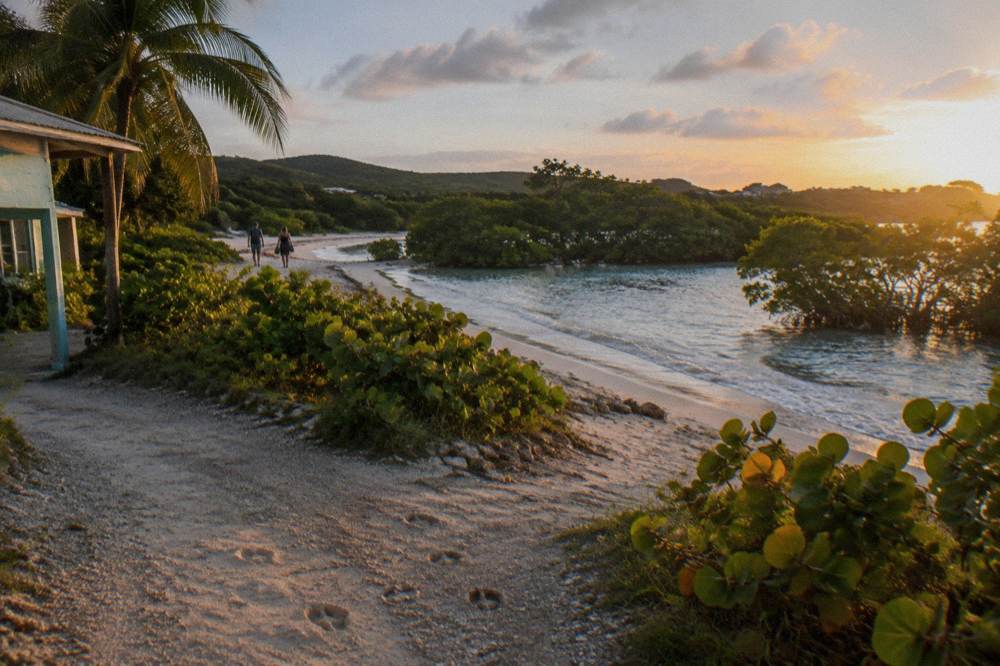
For a summary view of the comparison:
| Question | Vieques | Culebra |
|---|---|---|
| Has a bioluminescent bay? | Yes, Mosquito Bay, Guinness record holder | No |
| Night tours available? | Yes, six licensed listings | No |
| Swimming in a glowing bay? | Not permitted at Mosquito Bay | Not applicable |
| Overnight needed for the bay? | Yes, tours run after dark | Not applicable |
| Tour formats | Kayak, clear kayak, clear canoe, pontoon, electric catamaran | None for bioluminescence |
| Entry price among bay tours | From $57 per person | Not applicable |
The pattern across all of this is consistent. As destinations, both islands deliver the slow, small-island version of Puerto Rico, and reasonable travelers pick either for that alone. As bio bay destinations, only one of them exists on the map. The site's own name, Bioluminescent Bay Tours Puerto Rico, covers exactly three bays, and every tour listed on it visits one of those three; that count is the whole answer to the island question.
Can You Combine Vieques And Culebra In One Trip?
Yes, geographically: the islands are close, both are reached via the east coast ferry system, and travelers with four or more nights can split time between them. But the bio bay leg cannot be compressed. It requires a dark, tour-compatible night on Vieques and an overnight, so the bay should anchor the Vieques dates and Culebra should be scheduled around it rather than the reverse.
The practical sequencing advice is short. Book the Mosquito Bay tour first, on a new-moon-adjacent date that clears the three-night full-moon closure, and build the rest of the trip outward from that anchor. The likely-to-sell-out flags on several Vieques listings, including the Vieques Kayaks trip and the Isla Nena pontoon, are real roster data, not marketing urgency; small group caps on an island with limited departures mean popular dates fill. Once the bay night is secured, adding Culebra before or after is straightforward ferry planning.
Travelers flying out of San Juan should leave buffer on the back end. Island ferries are weather-sensitive, and the same night-time logic that requires an overnight before a bay tour argues against scheduling a same-day island-to-airport chain after one. Every listing on this site carries free cancellation up to 24 hours before, which covers schedule reshuffles but not a missed ferry.
One last comparison point that surprises people: cost. The cheapest Mosquito Bay experiences, from $57 to $65 per person, are actually cheaper than most Laguna Grande kayak tours in Fajardo, which start around $65 and run up to $89. The extra cost of choosing Vieques is not the tour, it is the night of accommodation and the crossing. Budget for that, and the island comparison settles itself: Vieques for the glow, Culebra only if the glow was never the point.
The three listings below cover the main ways to do the Vieques bay, from the standard kayak trip to the all-in day from San Juan.
Common Questions About Vieques Or Culebra
Is Vieques Or Culebra Better?
For bioluminescence, Vieques, decisively: it holds Mosquito Bay, the Guinness World Record holder for the brightest bioluminescent bay, while Culebra has no bio bay at all. As daytime beach destinations both can work, but only Vieques offers a night tour of a glowing bay.
Does Culebra have a bioluminescent bay?
No. Puerto Rico has exactly three bioluminescent bays: Laguna Grande in Fajardo, Mosquito Bay in Vieques, and La Parguera in Lajas. Culebra appears in none of the primary tourism or environmental references listing them.
Can you see bioluminescence on a day trip to Vieques?
Not from the mainland without an overnight, in most cases. Mosquito Bay tours run after dark, and an operator listing notes the last ferry from Vieques departs at 7:30 pm, so a same-night return does not fit. The one exception is the I VENTURES day trip from San Juan, which includes the ferry, a beach stop and the bay tour in a single 11-hour itinerary.
Which Vieques bio bay tour is best if you do not want to kayak?
The Isla Nena pontoon boat tour, from $85 per person, 4.4 from 262 reviews, takes up to 9 travellers onto the bay for about 40 minutes, and the Borikua electric catamaran, from $105 per person, offers a similar boat format. No swimming is permitted on either.
Why do Mosquito Bay tours sometimes not run?
DRNA-licensed operators may not run tours the night before, the night of, or the night after a full moon, because moonlight washes out the glow. Weather and water conditions can also affect visibility, and the organisms are present year-round while intensity varies.
Is Mosquito Bay guaranteed to glow?
No bioluminescent bay can be guaranteed. Mosquito Bay holds the densest recorded population of the glowing organisms, up to 700,000 per gallon, which maximizes the odds, but visible intensity varies with moonlight, rain and water conditions, and a dim night is possible.